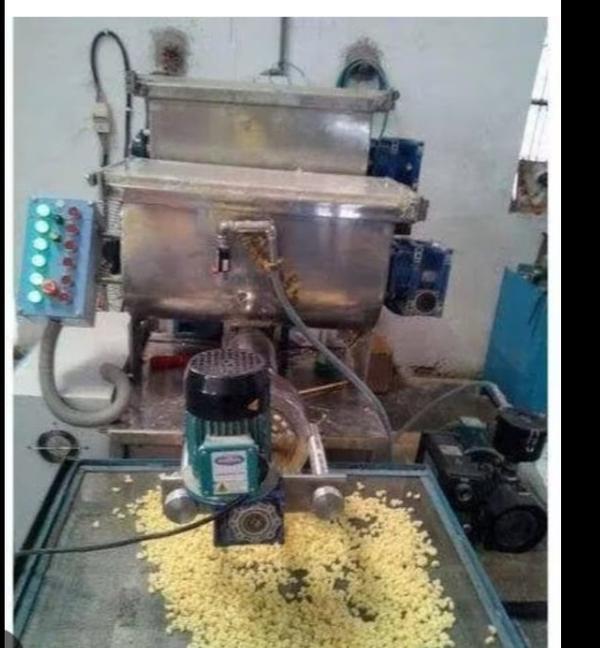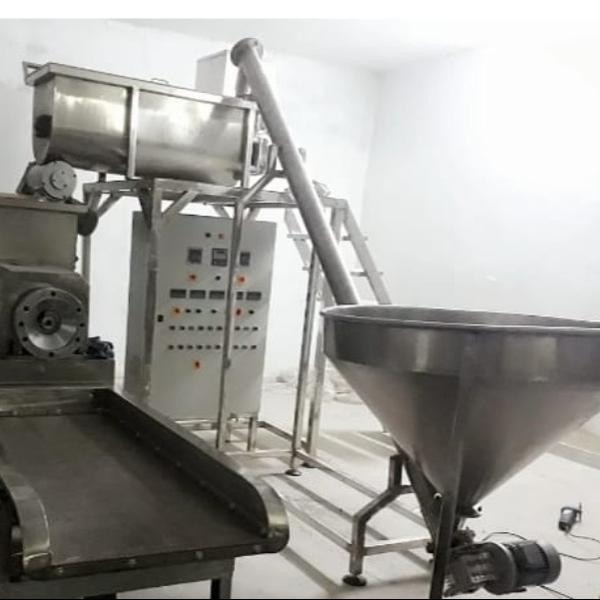


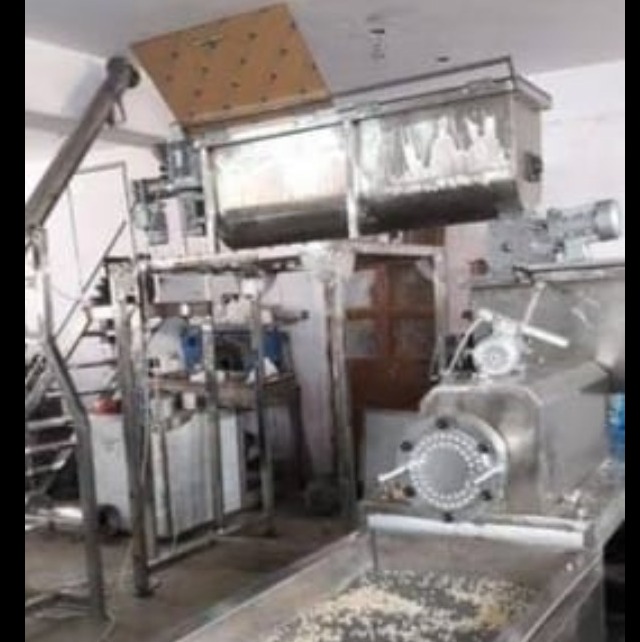
Making your own pasta at home is a culinary rite of passage. It transforms a simple pantry staple into a craft, turning flour and eggs into a silky, golden canvas for sauces. While you can certainly roll dough by hand, a pasta making machine is the engine that brings consistency, speed, and professional texture to your kitchen.In this guide, we will explore the mechanics, types, and techniques involved in mastering the pasta machine.1. Why Use a Pasta Machine?Technically, all you need to make pasta is a rolling pin and a knife. However, a machine offers three distinct advantages:Uniformity: To cook evenly, pasta must be the exact same thickness. A machine uses calibrated rollers to ensure every square inch of dough is identical.Translucency: Professional 'sfoglia' (pasta sheets) should be thin enough to read a newspaper through.1 Achieving this by hand requires immense physical strength; a machine does it with a simple turn of a handle or flick of a switch.Gluten Development: The repeated folding and rolling (lamination) through the machine strengthens the gluten network, giving the pasta its characteristic 'al dente' snap.2. Types of Pasta MachinesBefore diving into the process, it’s important to understand the two primary categories of machines available to home cooks.Manual Crank Machines (The Traditionalist)The iconic stainless-steel roller, such as the Marcato Atlas 150, is the gold standard for many.2 It clamps to your counter and requires you to turn a handle with one hand while guiding the dough with the other.3Pros: Highly durable, excellent control, and no need for an electrical outlet.Cons: Requires coordination and a sturdy table edge.Electric Machines and ExtrudersElectric machines come in two forms: motorized versions of the manual roller, and automatic extruders (like the Philips Pasta Maker).Electric Rollers: These allow you to use both hands to guide the dough, which is a major advantage for beginners.Extruders: These mix the dough and force it through brass or plastic dies to create shapes like rigatoni, penne, and fusilli—shapes that are impossible to make with a flat roller.43. The Anatomy of the MachineMost manual and electric rollers consist of three main parts:The Flat Rollers: These are adjustable. You start at the widest setting (usually 0 or 1) and gradually move to the narrowest (usually 6 through 9).The Cutters: Most machines come with a dual attachment for Fettuccine (wide ribbons) and Tagliolini (thin strands).5The Regulator Knob: This dial controls the distance between the rollers, determines the thickness of your sheet.4. The Process: From Flour to ForkStep 1: The DoughThe classic ratio is 100g of '00' flour to 1 large egg. Mix until a shaggy mass forms, then knead for about 10 minutes until the dough is smooth and elastic. Crucial: Let the dough rest, wrapped in plastic, for at least 30 minutes. This relaxes the gluten and prevents the dough from snapping back when rolled.Step 2: Lamination (The Secret Step)Set your machine to the widest setting. Take a piece of dough, flatten it with your palm, and run it through. Fold the dough into thirds (like a letter), turn it 90 degrees, and run it through again.6 Repeat this 5–6 times on the widest setting. This 'lamination' process creates a silky, resilient texture.Step 3: ThinningGradually move the dial one notch at a time, passing the dough through the rollers once or twice at each setting.For Lasagna: Stop at a medium-thin setting.For Ravioli: Go to the thinnest setting so the filling can be seen through the dough.Step 4: CuttingOnce you have a long, thin sheet, switch the handle to the cutter attachment. Dust the sheet with a little flour or semolina to prevent sticking, then feed it through the blades.5. Maintenance and CareA pasta machine is a precision instrument, and the #1 rule is: Never use water.Cleaning: Water will rust the internal gears and cause the remaining flour to turn into a cement-like glue. Instead, use a small, dry brush or a toothpick to flick away dried bits of dough.Storage: Keep it in a dry place. If the rollers feel 'gummy, ' run a piece of scrap dough through the machine; it will pick up any stray debris or old oil.6. Troubleshooting Common IssuesProblemLikely CauseSolutionDough is TearingToo dry or not rested enough.Wrap and let rest; knead in a few drops of water.Dough is StickingToo much moisture/humidity.Dust the dough and rollers with semolina flour.Jagged EdgesRolling too fast or dough is too soft.Slow down and ensure the dough is firm.Pasta Strands Stick TogetherCutting while dough is too wet.Let the sheet air-dry for 5 minutes before cutting.7. Essential AccessoriesTo elevate your pasta game beyond the machine itself, consider these tools:Drying Rack: Essential for long pasta like spaghetti so it doesn't clump together before cooking.7Semolina Flour: Use this for dusting. Its coarse texture prevents sticking much better than standard flour.Bench Scraper: For cleaning your workspace and portioning dough.Ravioli Stamp/Tray: To use those flat sheets for filled pastas.Summary: The Art of the SheetUsing a pasta machine is a tactile, sensory experience. It requires a bit of patience during the first few attempts, but the reward is a texture that no boxed pasta can ever replicate. Whether you are making a delicate angel hair or a robust fettuccine, the machine is your bridge between raw ingredients and an authentic Italian meal.