Thank you for writing to us. One of our executive will reach back to you through your submitted medium. In case there’s an urgency, feel free to connect over WhatsApp for faster response.
Prefer calling? Dial +9108048066859 (International callers) or 08048066859 (Indian callers).
Depending on the scale and purpose, pasta and macaroni machines come in various types. Below are the most common ones:
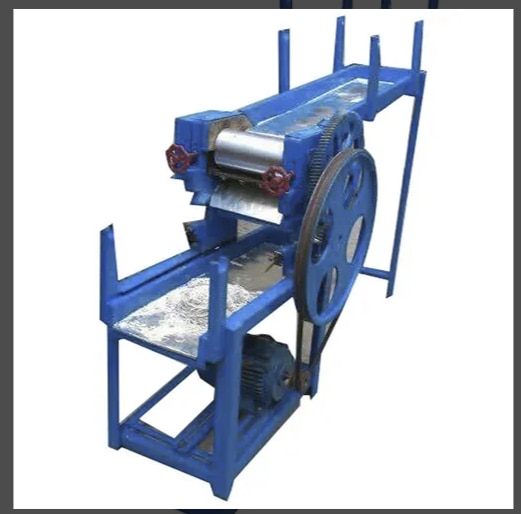
A. Manual Pasta Machines
These are small machines operated by hand, ideal for domestic or small commercial setups. They are suitable for fresh pasta but not for large-scale or industrial production.
Features:
Compact and easy to use
Ideal for cafes or restaurants
Limited production capacity
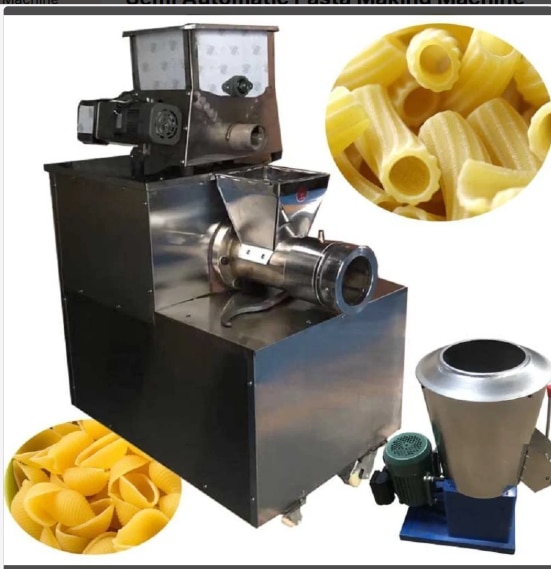
B. Semi-Automatic Pasta Making Machines
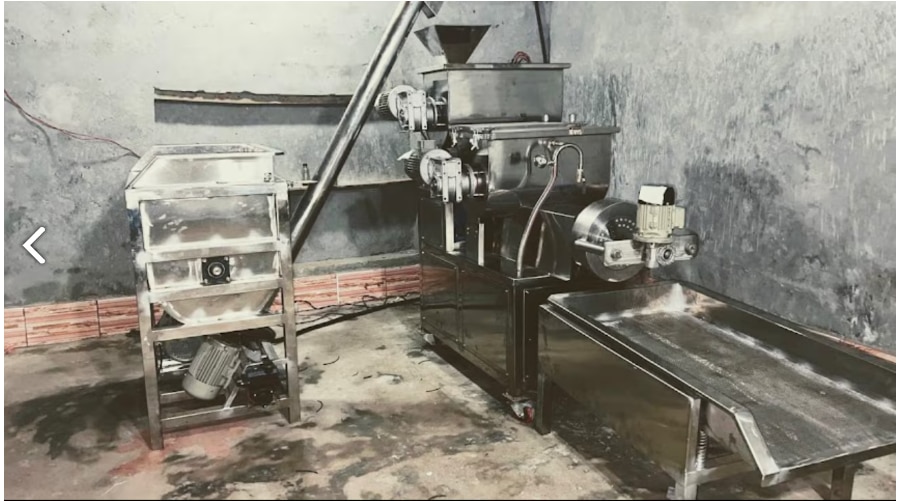
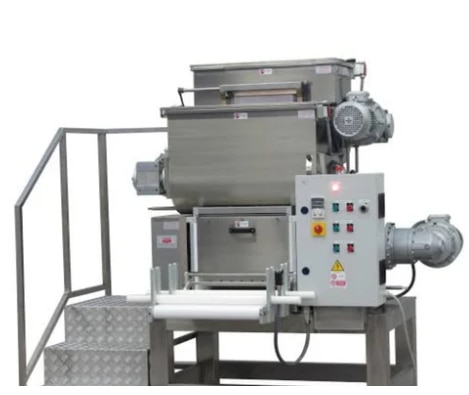
These machines combine manual and automatic operations. The operator feeds ingredients manually, while extrusion and cutting are automated.
Features:
Medium production capacity
Lower initial investment
Easier to maintain
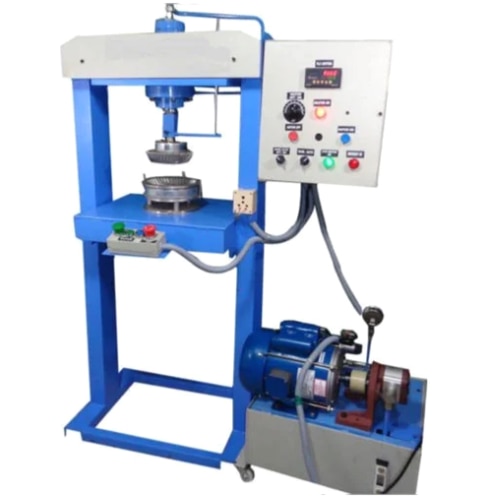
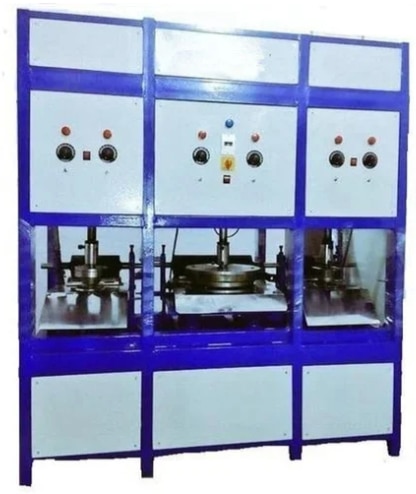
A Semi Automatic Paper Plate Machine is a mid-level production machine used to manufacture disposable paper plates, bowls (donas), and thalis. Unlike manual machines, it automates key steps like pressing, cutting, and heating but requires the operator to feed and remove the paper manually.
This balance between manual control and automation makes it cost-effective, easy to use, and ideal for small to medium-scale production units
Pasta is a major staple in many cuisines around the world. Whether it’s spaghetti, penne, fusilli, macaroni, or other shapes, pasta has a broad market: retail, food service, restaurants, packaged goods. As consumer demand has grown, many producers move from artisanal/manual production toward mechanized production—but full automation can be expensive. Here semi‑automatic pasta making machines offer a sweet‑spot: partial automation that reduces labour, ensures consistency, but without the full capital cost and complexity of automatic/turn‑key lines.
A semi‑automatic pasta making machine is a machine (or integrated set of machines) that automates key processes in pasta production (mixing, extrusion, shaping) but still requires some manual input, supervision, or manual feeding/handling. These machines are used by small to medium‑scale pasta producers, restaurants, caterers, or companies wanting flexibility and lower investment, but still require capacity above what pure manual production allows.
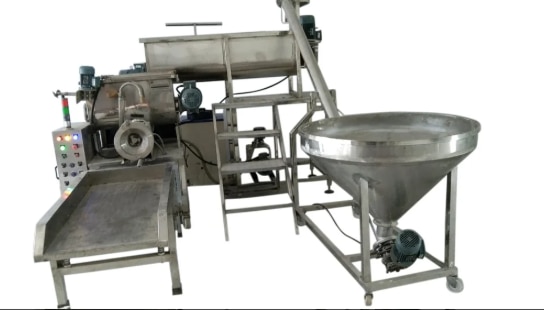
A Pasta Making Machine 50-70 Kg/hr is a semi-automatic or fully automatic machine designed to produce short-cut pasta shapes like macaroni, penne, fusilli, and elbow pasta at a moderate production capacity. This range is perfect for small food manufacturing units, hotels, catering services, and startups.
With a capacity of 50-70 kg/hr, these machines bridge the gap between small-scale tabletop pasta extruders (10-20 kg/hr) and large industrial pasta production lines (200+ kg/hr). This production capacity allows you to serve local markets efficiently while maintaining high product quality.
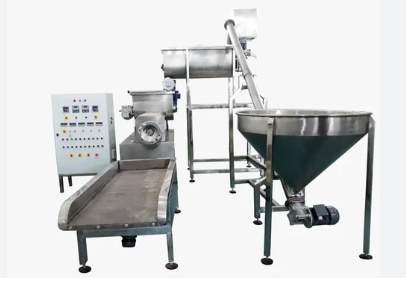
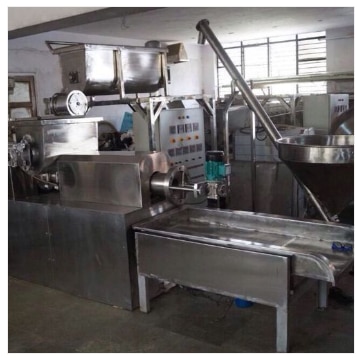
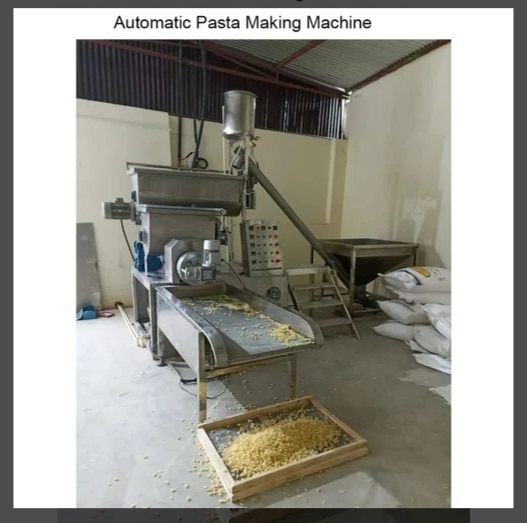
A Fully Automatic Pasta Making Machine is an industrial-grade equipment used to manufacture pasta on a commercial scale. Unlike semi-automatic or manual machines, these machines perform every step automatically – mixing, kneading, extruding, cutting, drying (if included), and packaging (if part of the line).
Fully automatic pasta machines are designed for food manufacturing companies, restaurants with bulk production needs, cloud kitchens, and pasta production plants. They are capable of producing various pasta shapes such as penne, fusilli, spaghetti, macaroni, farfalle (bow-tie), and shells.
2. Working Principle of a Fully Automatic Pasta Making Machine
The process of pasta production in a fully automatic machine typically involves the following steps:
Flour Feeding & Mixing – High-quality wheat flour, semolina, or other desired ingredients are fed into the hopper. The machine mixes the flour with water (and other ingredients like eggs if required) to form a dough.
Kneading – The machine kneads the dough to the perfect consistency, ensuring proper gluten development and elasticity.
Extrusion & Shaping – The dough is forced through interchangeable dies or molds that determine the shape of the pasta.
Cutting & Portioning – The extruded pasta is cut into uniform lengths by a rotating blade system.
Pre-Drying / Drying (Optional) – Some models include drying tunnels or systems to remove excess moisture from pasta, improving shelf life.
Collection / Packaging – The finished pasta is collected and can be packed manually or using an automated packing system.
This entire process is controlled via a PLC-based control panel or touchscreen interface, allowing operators to set production parameters, monitor operations, and ensure consistent output.
A pasta making machine is an industrial or semi-automatic device used to mix, extrude, cut, and dry pasta dough to produce different pasta shapes such as spaghetti, penne, macaroni, fusilli, lasagna sheets, and more. These machines are designed to save time, reduce labor costs, and ensure consistent quality output.
Modern pasta machines are made with stainless steel construction for food-grade safety, come with precision controls, and can operate continuously for high-volume production. They are available in various capacities, from small countertop models producing a few kilograms per hour to fully automated pasta production lines capable of producing hundreds of kilograms per hour
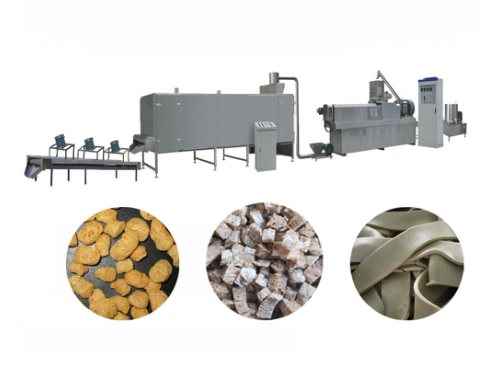
The increasing demand for healthy, protein-rich vegetarian foods has made soya products extremely popular worldwide. Among these, Soya Badi (also known as Soya Nuggets, Soya Chunks, or Textured Vegetable Protein – TVP) is one of the most consumed plant-based protein sources. These nuggets are produced using a Soya Badi Extruder Machine, which converts defatted soy flour into textured, meat-like chunks.
Soya Badi is highly valued as a nutritious meat substitute, especially for vegetarians and vegans. Its high protein content, affordable cost, and versatility in cooking make it a favorite household product in India and across global markets. The Soya Badi Extruder Plant plays a crucial role in meeting this rising demand by enabling efficient, hygienic, and large-scale production.
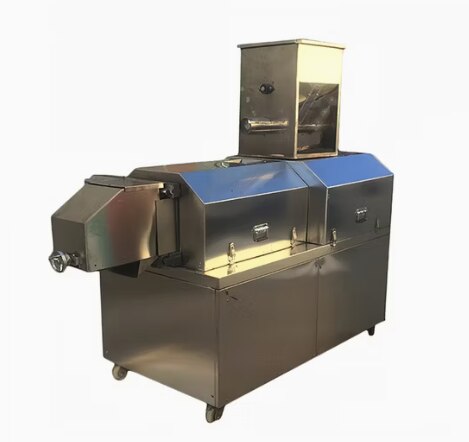
Corn puff snacks are among the most popular ready-to-eat (RTE) food items consumed worldwide. From children to adults, crispy and crunchy puffed snacks are loved for their taste, lightness, and wide variety of flavors. At the heart of this production lies the corn puff plant, a specialized food processing system that transforms raw corn or maize flour into delicious, fluffy puffs. With growing consumer demand for packaged snacks, corn puff manufacturing has become a profitable venture in the food processing industry.
A corn puff plant integrates advanced extrusion technology, seasoning equipment, and packaging systems to ensure consistent quality and large-scale production. These plants are designed to meet hygienic standards, energy efficiency, and flexible production needs. Whether small entrepreneurs or large-scale manufacturers, corn puff production lines can be customized to meet market demands