

You said
Pasta Making Machine 1000 words
Gemini said
Making pasta from scratch is often seen as a culinary rite of passage. While a rolling pin and a sharp knife can get the job done, a pasta making machine transforms the process from a laborious chore into a streamlined, repeatable art form. Whether you are a home cook looking to elevate Sunday dinner or a professional chef aiming for consistency, understanding the mechanics, types, and nuances of these machines is essential.
1. The Anatomy of Pasta Making
At its core, a pasta machine performs two primary functions: sheeting and cutting.
Before a machine ever touches the dough, the cook must create a 'primary dough' (usually flour and eggs or water). This dough is often crumbly or tough initially. The pasta machine acts as a mechanical kneader and refiner. By passing the dough through rollers at decreasing widths, the machine aligns the gluten strands, creating a silky, elastic sheet that is strong enough to be boiled without falling apart but thin enough to be delicate on the palate.
2. Types of Pasta Machines
Pasta machines generally fall into three categories, each catering to different skill levels and culinary goals.
A. Manual Crank Machines (The Traditionalist's Choice)
The iconic stainless steel machine clamped to a countertop is the manual crank model.
How it works: You feed the dough through two rollers with one hand while turning a handle with the other.
Pros: Total control over speed, highly durable, and relatively inexpensive.
Cons: Requires coordination (it's helpful to have a second person to 'catch' the long sheets of dough) and physical effort.
B. Electric Attachment & Standalone Rollers
For those who already own a stand mixer, an electric attachment is a popular upgrade.
How it works: The mixer’s motor powers the rollers, freeing up both of your hands to guide the dough.
Pros: Much faster than manual cranking; allows for better precision since you can use both hands to support the delicate pasta sheet.
Cons: Higher price point if you don't already own the base mixer.
C. Automatic Extrusion Machines
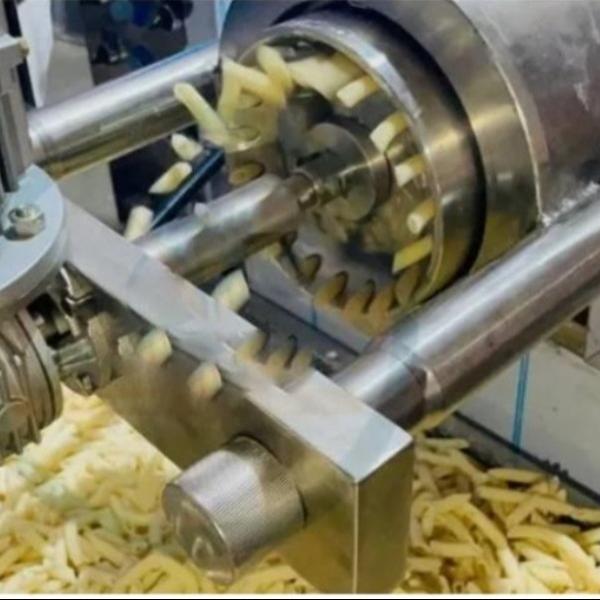
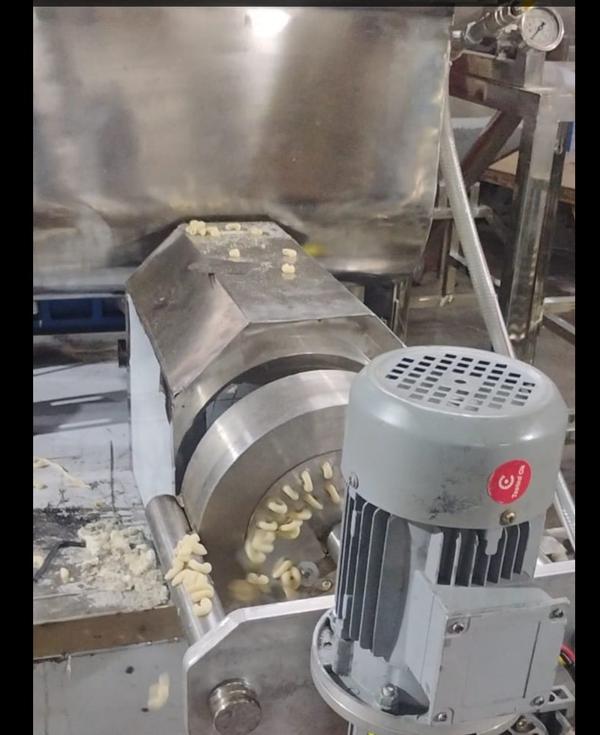
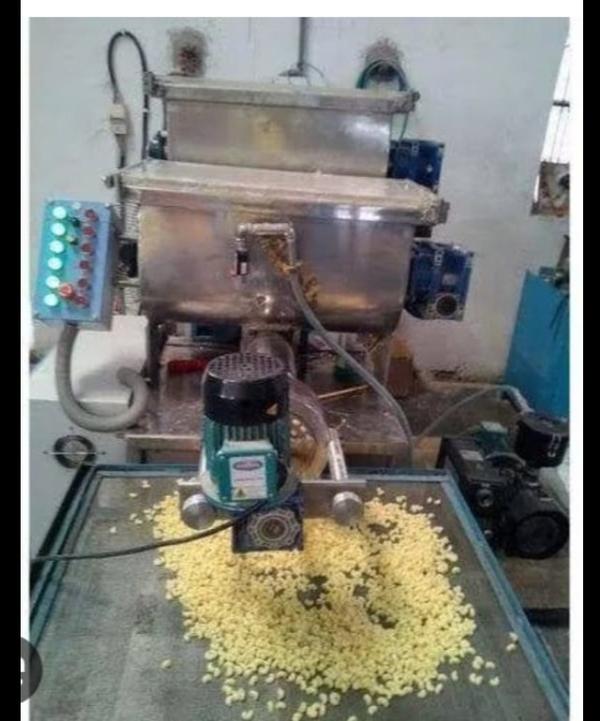
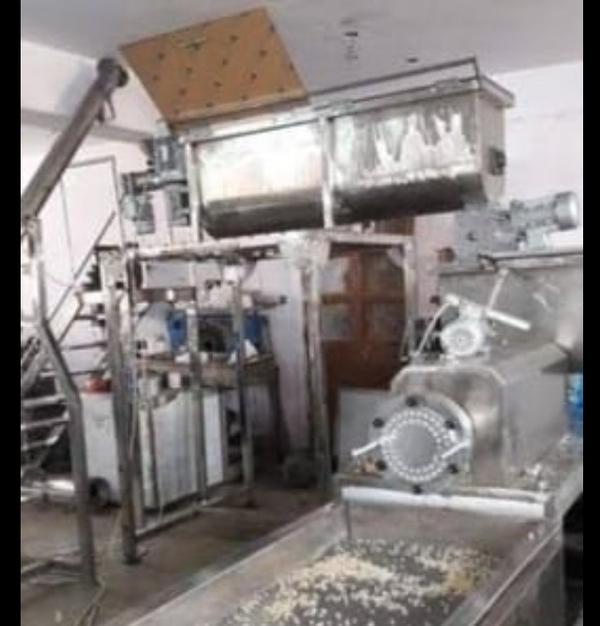
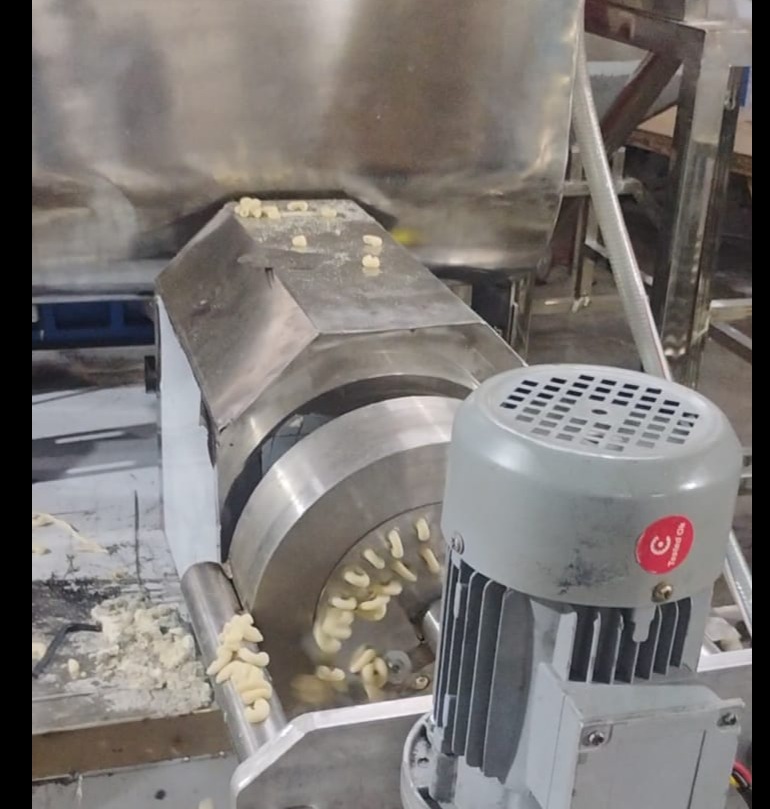
Unlike rollers that create sheets, extruders force dough through a 'die' (a shaped disk) to create shapes like rigatoni, fusilli, or penne.
How it works: Many modern home extruders are 'all-in-one' devices—you add flour and liquid, and the machine mixes, kneads, and extrudes the pasta automatically.
Pros: The only way to make tubular or complex 3D shapes; incredibly convenient.
Cons: Harder to clean; the texture of extruded pasta is different (denser) than rolled pasta.
3. The Process: From Shag to Sheet
Using a roller-style machine involves a specific workflow known as the reduction method.
Preparation: The dough is flattened by hand into a disc and dusted with flour.
The Widest Setting: The machine is set to its widest gap (usually '0' or '1'). The dough is passed through, folded like a letter, and passed through again. This process, called laminating, builds structural integrity.
The Reduction: The dial is turned to a narrower setting. The dough is passed through once at each setting. As the gap narrows, the dough grows significantly longer and thinner.
The Cut: Once the desired thickness is reached (thinner for ravioli, slightly thicker for fettuccine), the sheet is passed through the cutting head to create ribbons.
4. Key Features to Look For
When shopping for a pasta machine, certain specifications dictate whether the machine will last a lifetime or end up in a garage sale.
Feature Importance What to Look For
Material High Chrome-plated steel or stainless steel is best. Avoid plastic components in the gears.
Roller Width Medium Standard is 150mm (approx. 6 inches). Wider rollers allow for larger batches.
Setting Range High Look for at least 6 to 9 thickness settings to ensure versatility.
Clamp Stability High For manual machines, a sturdy clamp is vital to prevent the machine from sliding.
5. Maintenance and Care: The Golden Rule
The most important rule of pasta machine ownership is: Never use water.
Most pasta machines are made of carbon steel or have internal gears that can rust or seize if exposed to moisture. Because the dough is relatively dry, it doesn't leave much behind. To clean:
Use a dry brush to flick away stray flour.
Use a wooden skewer to dislodge dried bits of dough from the cutters.
If the machine feels 'gritty, ' pass a scrap piece of 'cleaning dough' through it to pick up internal debris, then discard that dough.
6. Common Troubleshooting
Even with the best machine, things can go wrong. Here is how to handle the most common 'pasta panics':
The Dough is Tearing: This usually means the dough is too dry or you skipped a thickness setting. Go back one step, laminate (fold), and try again.
The Dough is Sticking to Rollers: Your dough is too wet. Dust it liberally with semolina or all-purpose flour before the next pass.
The Cutters Aren't Cutting: If the ribbons come out 'scored' but still stuck together, the dough is likely too moist. Let the sheets air-dry on a rack for 5–10 minutes before running them through the cutter.
7. The Science of the 'Bite'
The reason we use a machine instead of a rolling pin is primarily for consistency. In professional cooking, the 'bite' or al dente quality of pasta depends on uniform thickness. If one part of a noodle is 1mm thick and another is 1.5mm, they will cook at different rates. A machine ensures that every square millimeter of your pappardelle hits the boiling water with the same density, resulting in a superior culinary experience.
8. Conclusion
A pasta making machine is more than just a kitchen gadget; it is a bridge between raw ingredients and an elevated dining experience. While there is a learning curve—learning the 'feel' of the dough and the rhythm of the crank—the reward is a texture and flavor that store-bought dried pasta simply cannot replicate