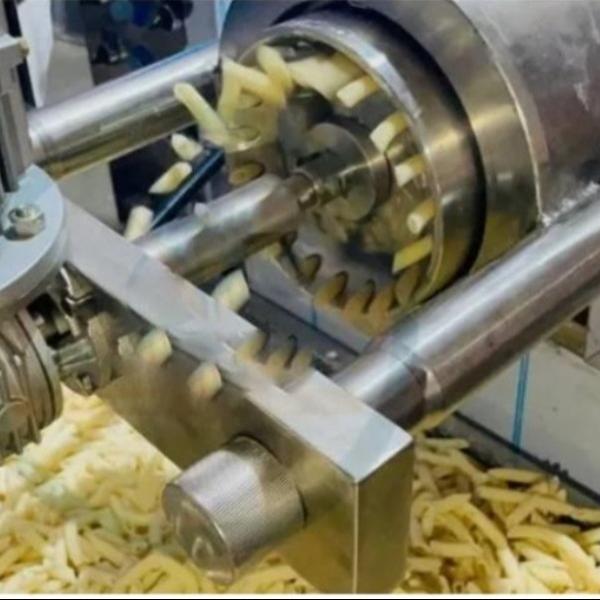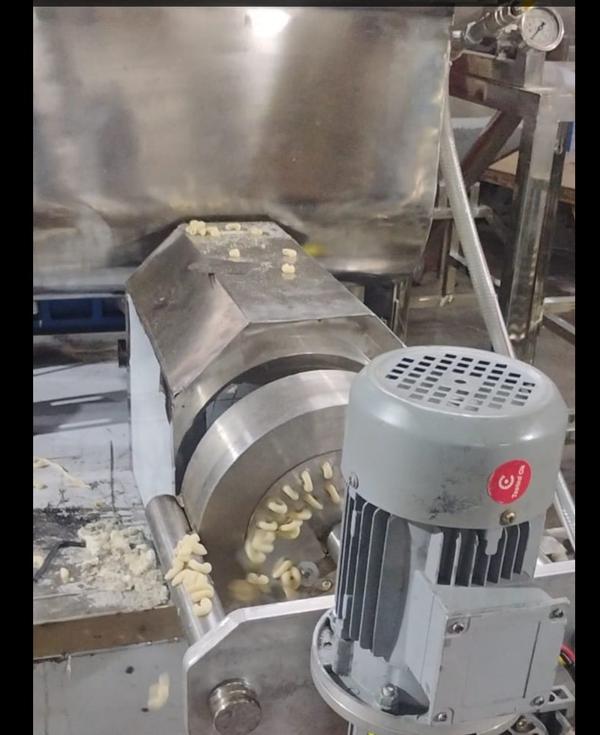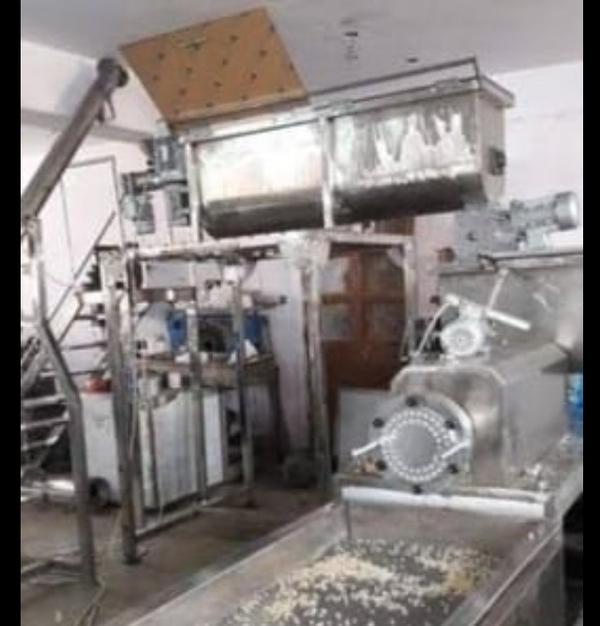


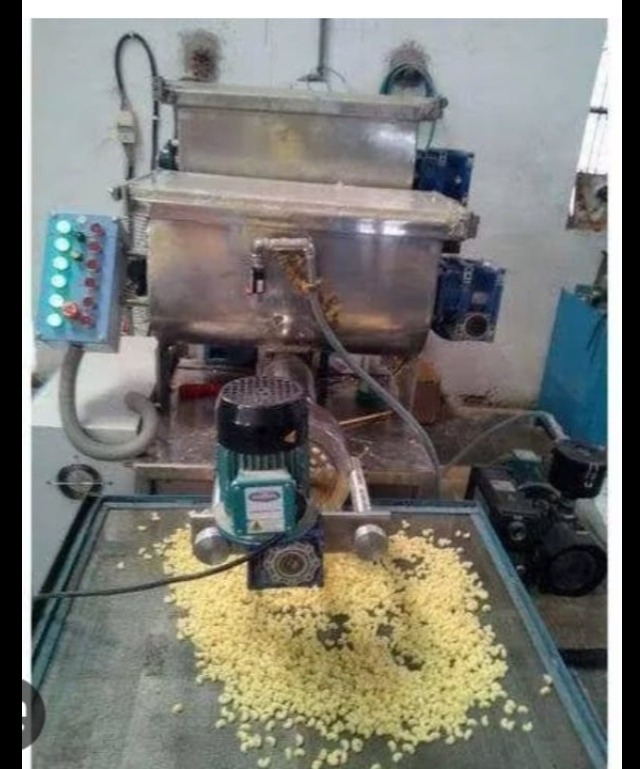
The industrial production of macaroni is a fascinating intersection of culinary tradition and high-end engineering. While homemade pasta relies on manual labor and small-batch drying, a Macaroni Pasta Making Machine (or an industrial extrusion line) is a continuous system designed to transform raw semolina into perfectly shaped, shelf-stable pasta at scale.Below is a comprehensive guide to the technology, process, and components involved in modern macaroni manufacturing.1. The Core Technology: ExtrusionAt the heart of every macaroni machine is the single-screw or twin-screw extruder. Unlike bread, which requires high heat and leavening, macaroni is produced via 'cold' or 'warm' extrusion. This process involves forcing dough through a shaped die under high pressure.Pressure: The machine generates significant pressure—often between 80 to 120 bar—to ensure the pasta is dense and holds its shape during cooking.Vacuum System: A critical component of high-quality machines is the vacuum chamber. By removing air from the dough before extrusion, the machine prevents oxidation (which turns pasta gray) and eliminates tiny air bubbles that would cause the pasta to crack during drying.2. The Production Process: Step-by-StepA complete macaroni production line isn't just one machine; it is a series of integrated modules.A. Raw Material Dosing and MixingThe process begins with Semolina (coarse durum wheat flour) and water.Automatic Dosing: Sensors ensure a precise ratio—typically 25–30% moisture content.The Mixer: A high-speed centrifugal mixer ensures every grain of flour is hydrated uniformly. This prevents 'white spots' in the finished product.B. Extrusion and ShapingThe hydrated dough enters the extrusion barrel. A rotating screw pushes the dough toward the Die Head.The Die: This is a bronze or Teflon-coated plate with holes. If the holes are circular with a pin in the middle, you get macaroni tubes.Teflon vs. Bronze: Teflon dies produce smooth, shiny pasta. Bronze dies (traditional) create a rougher surface, which is highly prized because it helps pasta sauce 'stick' better.C. The Cutting SystemAs the macaroni emerges from the die, a rotating blade cuts it to the desired length. For macaroni, these are usually short, curved, or straight tubes. The speed of the blade determines the thickness of the cut.D. Pre-Drying (The Trabatto)Freshly extruded pasta is sticky. It immediately enters a Trabatto, a vibrating pre-dryer. This uses hot air to quickly harden the outer surface of the macaroni, preventing the pieces from sticking together as they move to the main dryer.E. Final Drying and CoolingThis is the most time-consuming stage. Macaroni must be dried slowly to prevent 'checking' (cracking).Temperature Control: Modern machines use PLC (Programmable Logic Controller) systems to manage a delicate balance of heat and humidity.Cooling: Once dried to about 12% moisture, the pasta is cooled to room temperature to prepare it for packaging.3. Technical Specifications of Industrial MachinesWhen looking at industrial-grade macaroni machines, several technical factors define their efficiency:FeatureSpecification RangeProduction Capacity100 kg/h to 1, 000+ kg/hPower Consumption30 kW to 150 kW (depending on scale)MaterialFood-grade Stainless Steel (SUS304)Control SystemPLC Touch Screen (Siemens/Delta)Heating MethodElectric, Steam, or Gas4. Key Advantages of Automated Macaroni MachinesConsistency: Unlike manual production, every batch has the same texture, color, and cook time.Hygiene: Enclosed systems reduce human contact, meeting strict ISO and HACCP food safety standards.Versatility: By simply changing the die head, the same machine can produce fusilli, penne, shells, or rigatoni.Labor Efficiency: A fully automated line capable of producing 500 kg/h can often be managed by just two operators.5. Maintenance and LongevityTo keep a macaroni machine running for decades, three areas require constant attention:Die Cleaning: Residue dough can harden and clog the die. Most facilities use ultrasonic cleaners to strip away dried pasta without damaging the delicate bronze or Teflon.Screw Wear: Over years of high-pressure friction, the extrusion screw will wear down. High-end machines use nitrided steel to extend this lifespan.Lubrication: Because these machines operate in high-heat environments (near the dryers), food-grade lubricants are essential for all moving parts.6. Selecting the Right MachineIf you are considering investing in a macaroni making machine, the choice depends on your 'Output vs. Space' ratio.Small Scale: Compact 'all-in-one' machines are great for restaurants or boutique organic brands. They often combine the mixer and extruder into one footprint.Large Scale: Continuous lines involve long conveyor belts and multi-story drying chambers. These require significant floor space and a stable power grid.SummaryThe modern macaroni making machine is a masterpiece of food science. It takes a simple mixture of wheat and water and, through the precise application of pressure, vacuum, and controlled dehydration, creates one of the world's most beloved pantry staples. Whether you are aiming for 'Al Dente' perfection or mass-market efficiency, the technology behind the extruder is what makes it possible