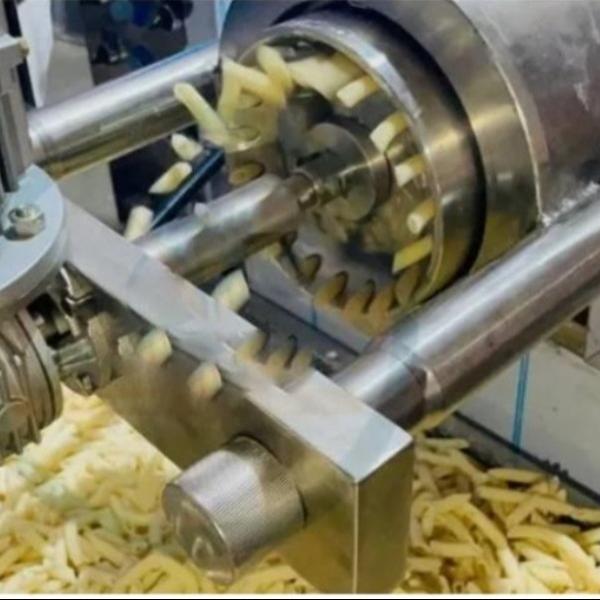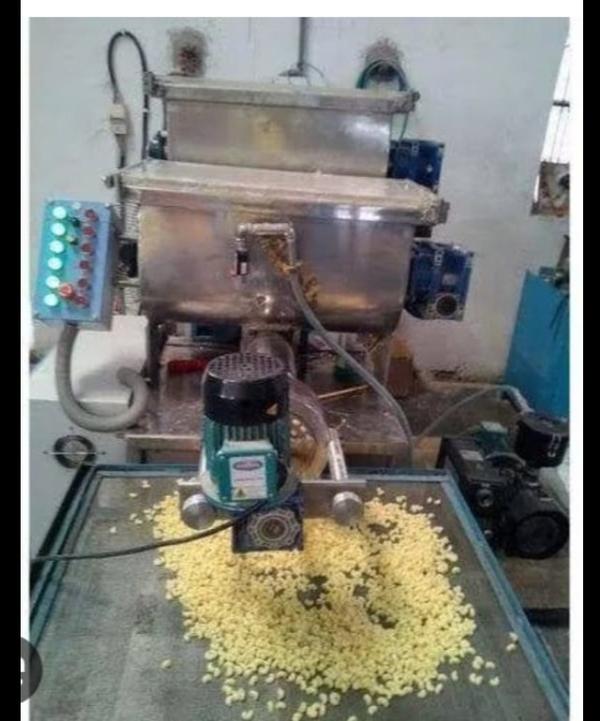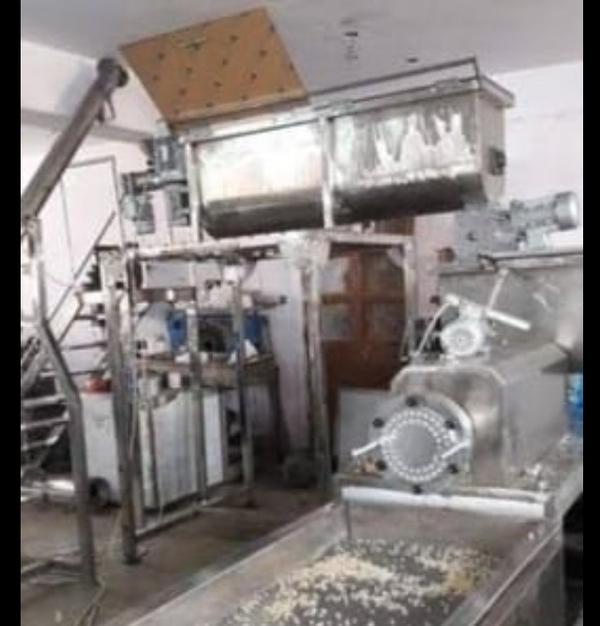


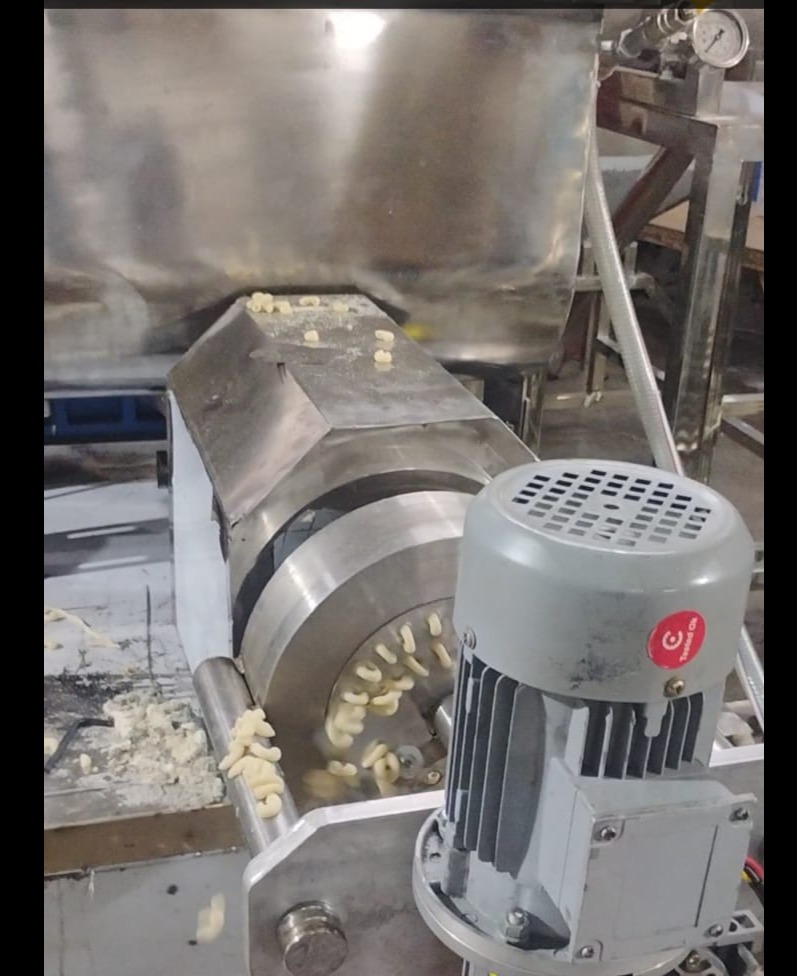
The Engineering and Art of Industrial Macaroni ProductionThe journey of a simple elbow macaroni from a field of durum wheat to a steaming bowl of pasta is a marvel of food engineering. At the heart of this transformation is the Macaroni Pasta Making Machine—a high-tech extrusion system designed to handle heavy dough, precise shapes, and delicate drying cycles.Whether you are looking to start a small boutique pasta brand or an industrial-scale manufacturing plant, understanding the mechanics, components, and processes of these machines is vital.1. The Core Components of a Macaroni MachineA professional pasta extruder isn't just one part; it is a synchronized assembly of several critical systems:The Vacuum Mixer: This is where the magic begins. Semolina flour and water are combined. Using a vacuum system is essential because it removes air bubbles from the dough. Without it, the pasta would be brittle and look opaque rather than that classic translucent yellow.The Extrusion Screw (Auger): This heavy-duty screw pushes the dough through the machine. It must provide enough pressure to force the dense dough through the dies while maintaining a consistent speed to ensure uniform texture.The Die and Cutter: The 'die' is a mold (usually made of bronze or Teflon) that determines the shape. For macaroni, the die has a circular opening with a pin in the center to create the hollow tube. A rotating blade at the end of the die cuts the tubes to the desired length.Cooling System: Extrusion creates a lot of friction and heat. To prevent the dough from 'cooking' inside the machine, water-cooling jackets surround the extrusion barrel to keep the temperature stable.2. The Production Process: From Flour to BoxThe operation of a macaroni machine follows a strict sequence to ensure food safety and product quality.Mixing and KneadingThe machine precisely meters durum semolina and water (usually at a ratio of about 3:1). The goal is a moisture content of roughly 30% to 32%. In industrial machines, this happens in a continuous mixer that feeds directly into the extruder.ExtrusionAs the dough is pushed through the barrel, it is subjected to high pressure.Bronze Dies: These create a rougher surface on the pasta, which is prized by chefs because it 'grabs' sauce better.Teflon Dies: These produce a smooth, shiny pasta that is more resistant to breaking during packaging.Pre-Drying (The 'Shaking' Phase)Freshly extruded macaroni is very sticky. Most machines include a vibratory pre-dryer (trabatto). This shakes the pasta while blowing hot air over it to sear the surface, preventing the elbows from clumping together before they hit the main dryer.Final DryingThis is the most time-consuming part. The pasta must be dried from 30% moisture down to about 12.5%. If dried too fast, the pasta will 'check' (develop tiny internal cracks) and shatter when boiled. If dried too slow, it can mold or sour.3. Technical Specifications to ConsiderIf you are evaluating a machine, these are the metrics that matter:FeatureSmall-Scale / LabIndustrial LineOutput Capacity10–50 kg/hr500–2, 000+ kg/hrPower Consumption3 kW – 7 kW50 kW – 150+ kWMaterialStainless Steel (AISI 304)Stainless Steel (AISI 304/316)AutomationManual/Semi-AutoFully PLC Controlled4. Why Macaroni Shape is UniqueThe 'elbow' in macaroni is achieved by the design of the cutter and the die. One side of the extrusion hole is often slightly obstructed or the dough is fed at a differential speed, causing the tube to curl as it exits the die. The rotating knife then snips it, creating the familiar curved shape.5. Maintenance and HygieneBecause pasta dough is organic and moist, macaroni machines are magnets for bacteria if not cleaned properly.CIP (Clean-In-Place): High-end industrial machines feature CIP systems that flush the internal components with sanitizing solution.Die Care: Dies must be removed and soaked in specialized ultrasonic cleaning tanks to remove hardened dough from the intricate crevices.Stainless Construction: Look for 'Food Grade' certifications. Any surface touching the dough must be non-reactive and corrosion-resistant.6. Innovations in Modern Pasta MachinesThe industry is currently moving toward Industry 4.0 integration. Modern macaroni machines now feature:Sensory Feedback: Sensors that detect the protein content of the flour and automatically adjust the water flow.Energy Recovery: Systems that capture the heat used in the drying phase and recycle it to pre-heat the mixing water.Remote Monitoring: Operators can monitor the pressure and temperature of the extruder from a smartphone or tablet.Summary for Potential BuyersWhen choosing a Macaroni Pasta Making Machine, don't just look at the price. Consider the Extrusion Pressure (measured in bars) and the Drying Logic. A machine is only as good as its ability to produce a consistent product hour after hour.