

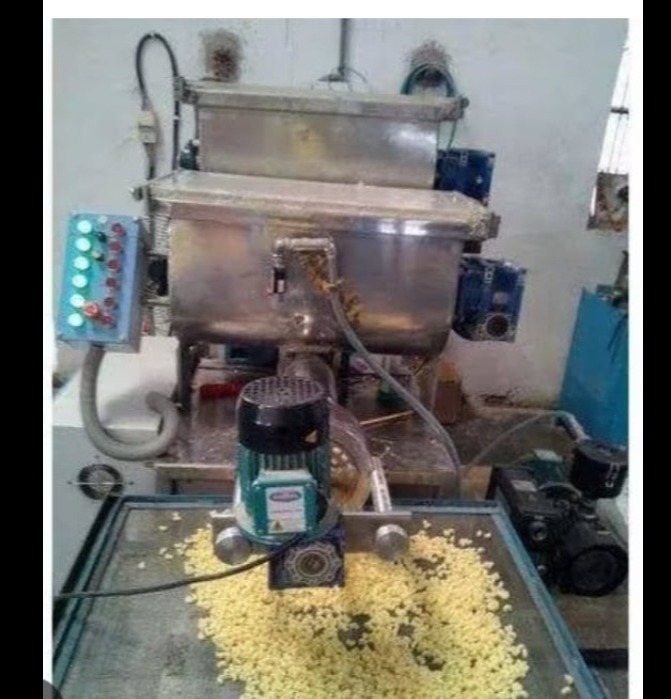
Making your own pasta at home is a culinary rite of passage. It transforms a simple pantry staple into a craft, turning flour and eggs into a centerpiece of Italian tradition. While you can roll dough by hand with a rolling pin (a mattarello), a pasta making machine is the key to achieving that professional, uniform 'bite' and paper-thin transparency.This guide explores the world of pasta machines, from traditional hand-cranked models to modern electric extruders.1. Why Use a Pasta Machine?If you’ve ever tried to roll pasta dough by hand, you know it is an athletic feat. Pasta dough is high in gluten and incredibly elastic; it wants to snap back into its original shape. A machine provides mechanical advantage.Consistency: A machine ensures every millimeter of the noodle is the exact same thickness, which means the entire batch cooks evenly.Thinness: Achieving 'Sfogliata' (sheet) thinness—where you can almost see through the dough—is nearly impossible for a beginner without the calibrated rollers of a machine.Versatility: Most machines don't just roll; they cut. With a quick swap of a blade, you can move from Fettuccine to Tagliolini.2. Types of Pasta MachinesBroadly speaking, pasta machines fall into two categories: Rollers and Extruders.Manual Roller Machines (The Classic)The manual hand-crank machine (like the iconic Marcato Atlas 150) is what most people picture. It clamps to your table and uses a handle to turn steel rollers.How it works: You feed a flattened piece of dough through the rollers at the widest setting, gradually narrowing the gap until the dough is thin.Best for: Flat pastas like Lasagna, Pappardelle, Ravioli, and Fettuccine.Electric Roller MachinesThese are essentially manual machines with an integrated motor.Pros: They keep both of your hands free—one to guide the dough in, and one to catch it coming out.Cons: They are noisier and usually more expensive.Extruder MachinesInstead of rolling the dough into sheets, these machines use a screw-drive to push dough through a 'die' (a perforated disc).How it works: Think of a Play-Doh factory. The dough is squeezed through shaped holes.Best for: Shapes that rollers can't make, such as Rigatoni, Penne, Fusilli, and Bucatini.3. Key Components and FeaturesWhen shopping for a machine, look for these specific builds:FeatureImportanceMaterialChrome-plated steel is the standard. Avoid plastic components in the gears, as they will snap under the pressure of tough dough.Adjustment DialMost machines have 6 to 9 thickness settings. A wider range allows for more precision.Table ClampA sturdy clamp is vital. If the machine wobbles while you are cranking, your pasta will tear.AttachmentsCheck if the brand offers extra cutters for specialized shapes like Angel Hair or Spaghetti.4. The Process: From Flour to ForkUsing a pasta machine is a rhythmic process. Here is the standard workflow:The Dough: Usually a mix of '00' flour and eggs (or semolina and water). It must rest for 30 minutes to relax the gluten.Lamination: This is the most important step. You fold the dough and run it through the widest setting several times. This 'kneads' the dough further, creating a silky texture.The Reduction: You move the dial down one notch at a time. Never skip a number, or you will stress the motor (or your arm) and snag the dough.The Cut: Once you have a long, thin sheet, you pass it through the cutting attachment.Pro Tip: Keep a bowl of extra flour nearby. If the dough feels even slightly tacky, dust it before it hits the rollers, or it will wrap around the internal gears and create a mess.5. Maintenance and Cleaning: The Golden RuleNever use water. This is the most common mistake new owners make. Pasta machines are made of steel components that can rust, and water creates a 'sludge' with leftover flour that clogs the rollers.To Clean: Let the machine sit for an hour so any stuck dough dries out. Use a dry pastry brush or a toothpick to flick out the dried bits.The 'Sacrificial Dough': If the machine is new or has been sitting for a long time, run a small piece of scrap dough through it several times to pick up any dust or factory oils, then throw that piece away.6. Popular Brands to ConsiderIf you are looking to invest, these names are the industry gold standards:Marcato (Italy): The 'Atlas 150' is widely considered the best manual machine in the world. It’s durable, beautiful, and has dozens of attachments.KitchenAid Attachments: If you already own a KitchenAid stand mixer, their 3-piece pasta roller and cutter set is excellent. It uses the mixer's motor, making the process very easy.Philips Pasta Maker: The leader in fully automatic extruders. You put the flour and liquid in, and it mixes, kneads, and extrudes the pasta in under 10 minutes.Imperia: Another classic Italian brand, often preferred by those who like a more 'industrial' feel to their kitchen tools.7. Troubleshooting Common IssuesPasta is Tearing: The dough is likely too dry. Add a teaspoon of water and knead it back in.Pasta is Sticking to Itself: The dough is too wet. Dust the sheets generously with semolina flour before cutting.The Machine is Squeaking: A drop of food-grade mineral oil on the ends of the rollers usually fixes this.Ragged Edges: This usually happens during the first few passes. Fold the dough into thirds (like a letter) and run it through again to square off the edges.ConclusionA pasta making machine is more than just a gadget; it is an invitation to slow down and enjoy the process of cooking. Whether you choose the tactile satisfaction of a hand-cranked Marcato or the high-tech efficiency of an electric extruder, the difference in taste between boxed pasta and fresh, machine-rolled pasta is night and day.Fresh pasta has a porous surface that 'grabs' sauce in a way that dried pasta cannot. Once you master the rhythm of the rollers, you’ll find that making a batch of fresh Linguine takes little more time than boiling a pot of water.