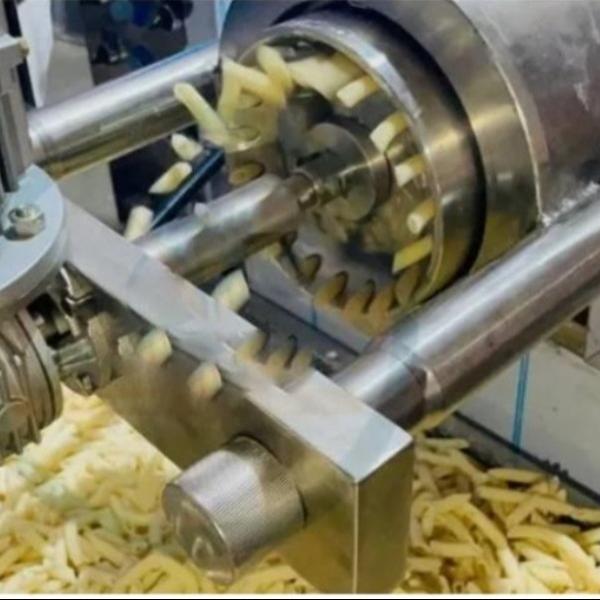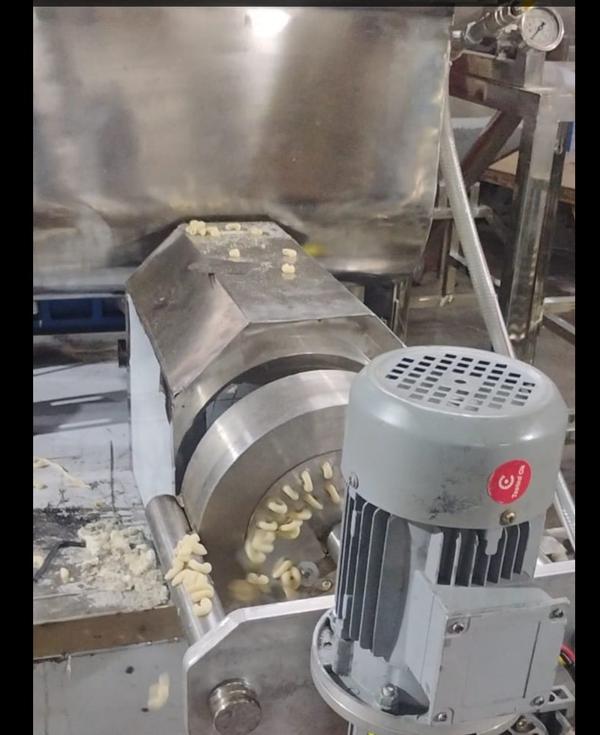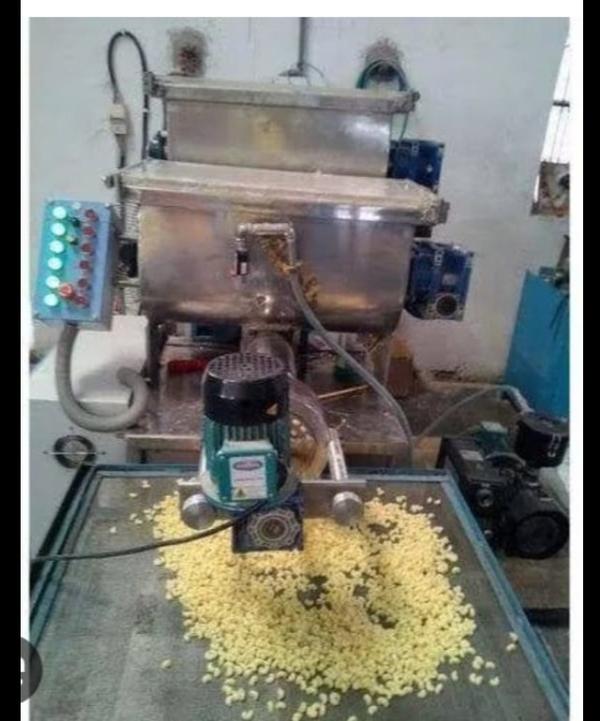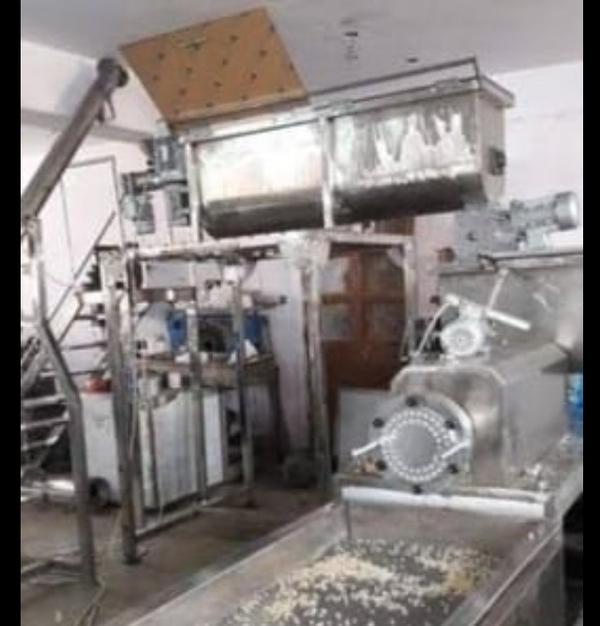


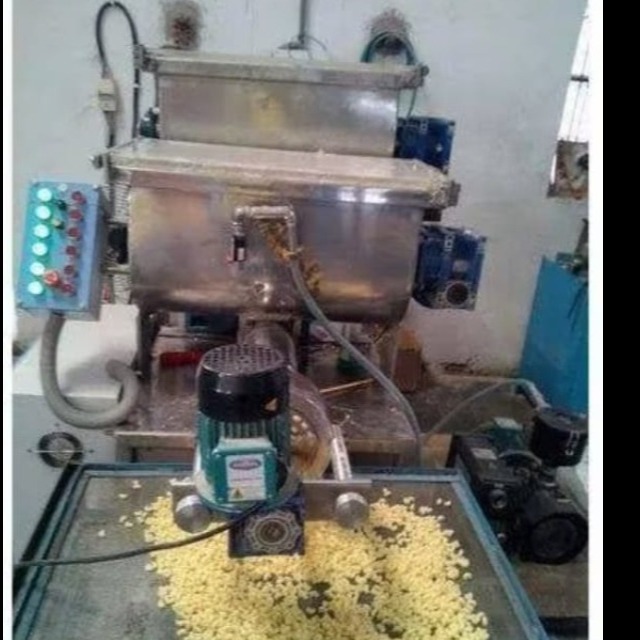
Whether you are a seasoned home cook or a culinary enthusiast looking to elevate your Sunday dinners, a pasta making machine is a transformative kitchen tool. Moving beyond the boxed, dried variety opens up a world of texture, flavor, and creativity that simply cannot be replicated by store-bought brands.This guide explores everything you need to know about pasta machines—from the different types available to the technical nuances of achieving the perfect 'bite.'1. Why Invest in a Pasta Machine?While you can technically roll out pasta dough with a rolling pin and cut it with a knife (pasta alla mano), a machine provides consistency and precision.1Uniformity: To ensure pasta cooks evenly, every strand or sheet needs the exact same thickness. A machine allows you to calibrate this to a fraction of a millimeter.Texture: The pressure from the rollers helps develop the gluten network, giving the pasta that signature 'al dente' snap.Efficiency: What takes an hour by hand can be done in fifteen minutes with a machine, making fresh pasta a viable weeknight meal rather than just a weekend project.2. Types of Pasta MachinesBroadly speaking, pasta machines fall into two categories: Manual Rollers and Automatic Extruders.2Manual Crank Machines (The Traditionalist's Choice)These are the iconic stainless-steel machines you see in Italian kitchens. They clamp to your countertop and feature a hand crank.3How they work: You feed a flattened piece of dough through two rollers.4 With each pass, you narrow the gap between the rollers until the sheet is paper-thin.Best for: Fettuccine, tagliatelle, lasagne sheets, and ravioli.Popular Models: The Marcato Atlas 150 is widely considered the gold standard.5Electric Roller MachinesThese are essentially manual machines with a motor attached. They free up both of your hands—one to feed the dough and the other to catch it as it emerges. This is a great middle-ground for those who want the traditional feel without the arm workout.Automatic ExtrudersUnlike rollers, which flatten dough, extruders push dough through a die (a shaped disc) using a screw or auger.6How they work: You simply add flour and liquid; the machine mixes, kneads, and pushes the pasta out through the die.Best for: Tubular and shaped pasta like penne, rigatoni, fusilli, and macaroni.Popular Models: The Philips Pasta Maker Plus is a leader in this category.3. Key Features to Look ForWhen shopping for a machine, keep these technical specifications in mind:Material: Look for anodized aluminum or stainless steel. Avoid machines with plastic rollers, as they lack the grip necessary to pull dough through and are prone to cracking.Settings: A good roller should have at least 7 to 9 thickness settings. This allows for versatility, ranging from thick pappardelle to translucent skins for tortellini.Attachments: Check if the machine is compatible with extra cutters. While most come with fettuccine and spaghetti cutters, you may eventually want to add linguine, capelli d'angelo (angel hair), or even ravioli attachments.7Stability: Fresh pasta dough is elastic and tough. A machine with a sturdy, wide clamp is essential to prevent it from sliding across your counter during use.4. The Science of the DoughThe success of your machine depends heavily on the dough you feed it. Fresh pasta generally falls into two camps:Egg-Based Dough (Northern Italy)Typically made with Type 00 flour (highly refined, powdery flour) and whole eggs.Ratio: Generally 100g of flour to 1 large egg.Result: Rich, silky, and golden. Perfect for rolling into thin sheets.Semolina/Water Dough (Southern Italy)Made with Semolina flour (coarse durum wheat) and warm water.Result: Hearty and 'toothsome.' This dough is most commonly used in extruders for shapes like orecchiette or rigatoni.5. Step-by-Step: Using a Manual RollerPreparation: Flatten your rested dough disc with your palm until it is about half an inch thick.The First Pass: Set the machine to its widest setting (usually '0' or '1'). Pass the dough through.Laminating: Fold the dough into thirds (like a letter) and pass it through the widest setting again. Repeat this 3-4 times. This 'lamination' aligns the gluten and creates a smooth, elastic sheet.Scaling Down: Gradually turn the dial to the next thinnest setting, passing the dough through once at each stage. Do not skip settings, as this can tear the dough.Cutting: Once you reach your desired thickness (usually setting 6 or 7 for general use), move the crank to the cutter attachment and feed the sheet through to create your noodles.6. Maintenance and CareCrucial Rule: Never wash a manual pasta machine with water.Water causes the internal gears to rust and makes the dough stick to the rollers. Instead:Use a dry pastry brush to flick away excess flour.If a piece of dough gets stuck, let it dry out completely; it will usually fall out on its own or can be picked out with a wooden toothpick.Occasionally, you can run a piece of 'scrap dough' through the machine to pick up any stray debris or grey metallic dust that can accumulate in the corners.7. Troubleshooting Common IssuesProblemLikely CauseSolutionDough TearingToo dry or skipped settingsAdd a teaspoon of water to dough; go one setting at a time.Pasta Sticking TogetherToo wet or humid roomAdd more flour to the surface of the sheet before cutting.Jagged EdgesDull rollers or dry doughEnsure dough is well-hydrated and rested for at least 30 mins.Noodles Won't SeparateNot enough flourDust the cut noodles with semolina immediately after they emerge.ConclusionA pasta making machine is more than just a gadget; it is a gateway to a deeper understanding of Italian culinary tradition. While the first few attempts might result in a few 'shaggy' noodles, the tactile satisfaction of producing your own pasta is incredibly rewarding. Whether you prefer the rhythmic cranking of a manual machine or the high-tech ease of an extruder, the result is the same: a meal that tastes like home.