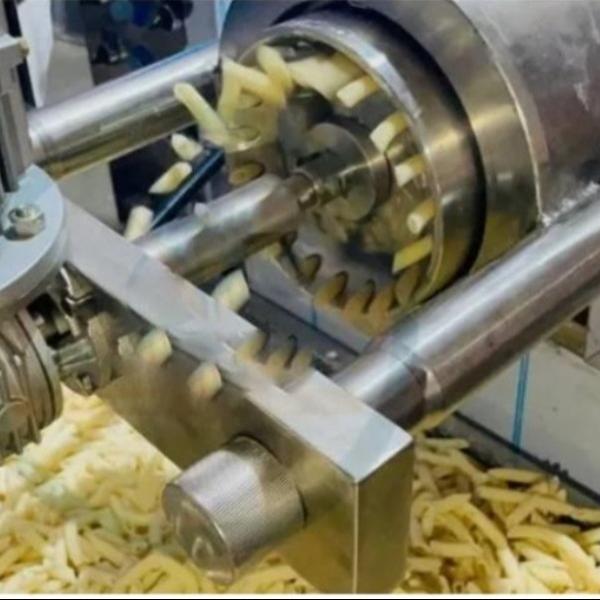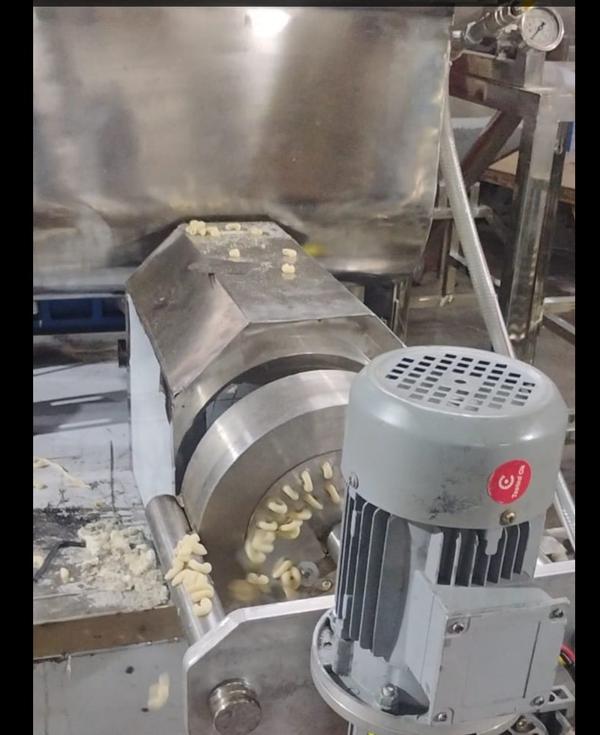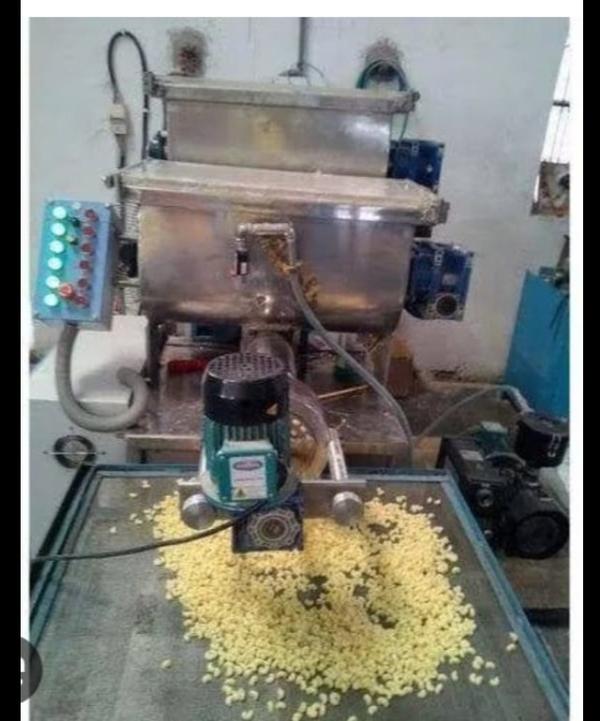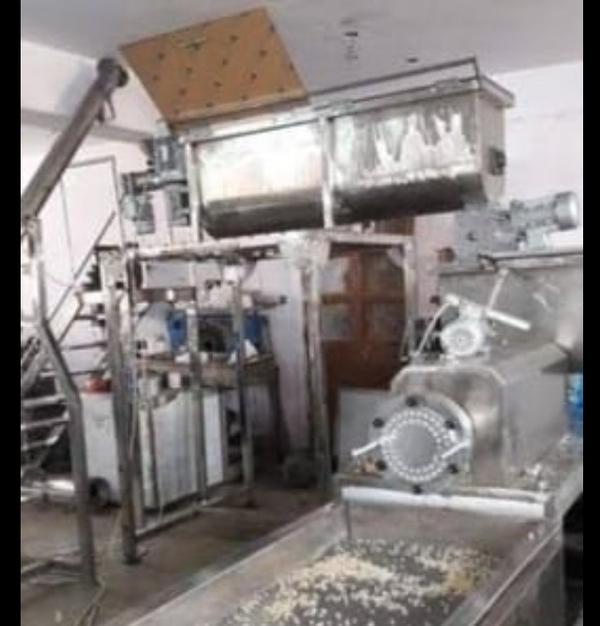


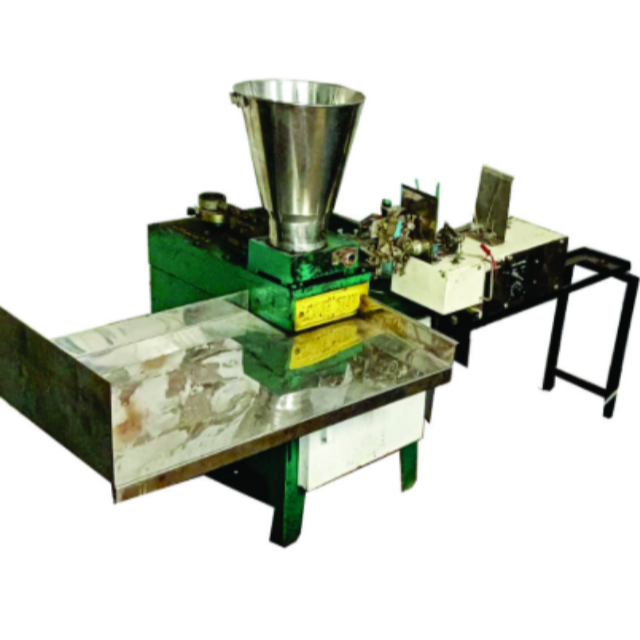
Agarbatti making machinery plays a crucial role in the efficient and large-scale production of incense sticks. With rising demand in domestic and international markets, modern machines have replaced manual methods, ensuring faster output, uniform quality, and reduced labor costs. These machines vary in size, capacity, and automation level, making them suitable for small startups as well as established manufacturing units.
The most common type is the automatic agarbatti making machine, which can produce 150–350 sticks per minute depending on the model. It uses a powder-feeding mechanism that ensures consistent coating of the bamboo sticks. These machines are easy to operate, energy-efficient, and require minimal maintenance. Semi-automatic machines are also popular among small entrepreneurs. They produce fewer sticks per minute but have lower initial investment and are simple to manage.
Another essential component is the powder mixing machine, used to blend raw materials like charcoal powder, wood powder, jigat, and fragrances into a uniform mixture. A well-mixed paste ensures better burning quality and fragrance output. For drying the incense sticks, manufacturers often use drying machines or chambers, which reduce the drying time during monsoon or humid conditions.
Modern agarbatti machines also come with features like speed control, improved die systems for different stick thicknesses, and stainless-steel bodies for durability. Some advanced models offer noiseless operation and enhanced safety features.
Investing in agarbatti making machinery can significantly boost production efficiency and overall profitability. With the right combination of machines—automatic or semi-automatic units, mixers, and dryers—entrepreneurs can set up a reliable and scalable incense stick manufacturing business. These machines not only improve productivity but also contribute to consistent quality, helping manufacturers meet growing market demands.