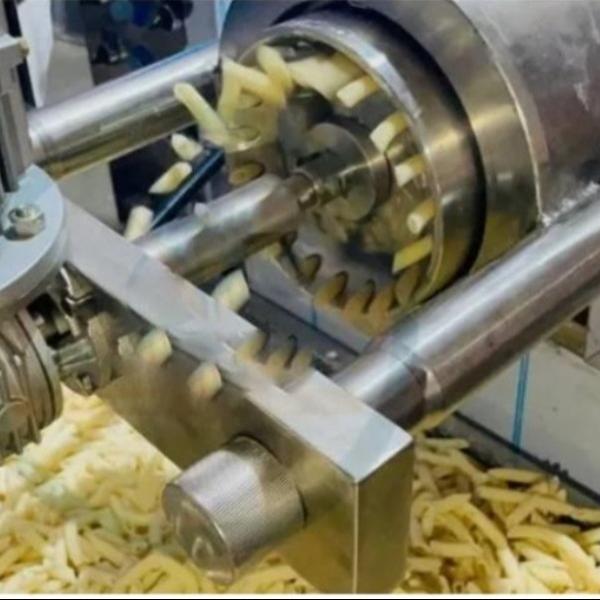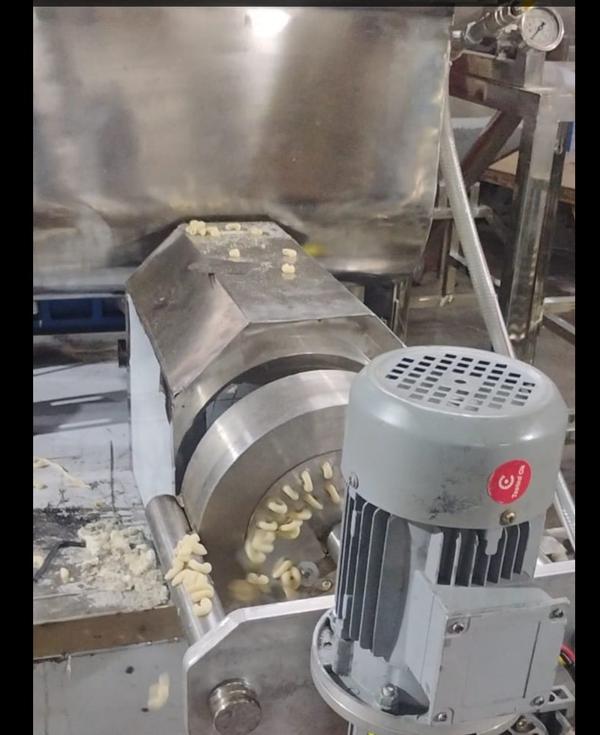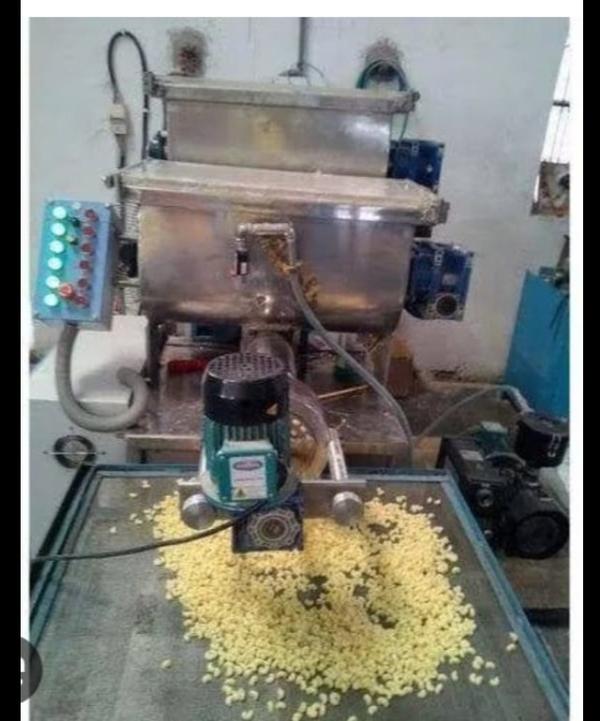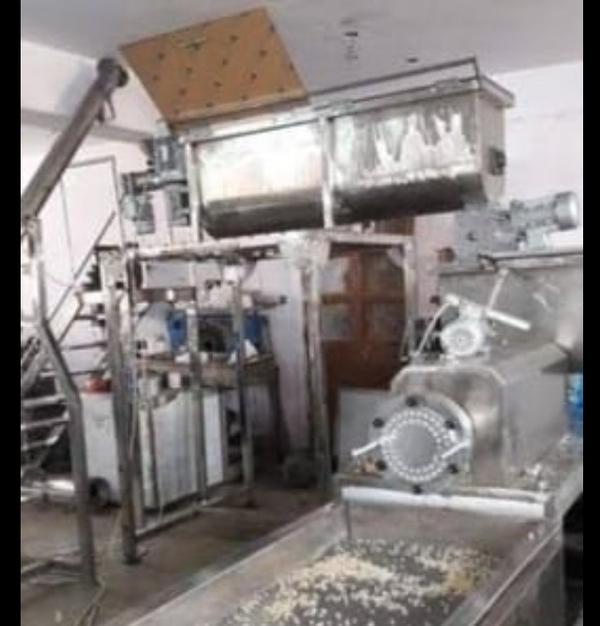


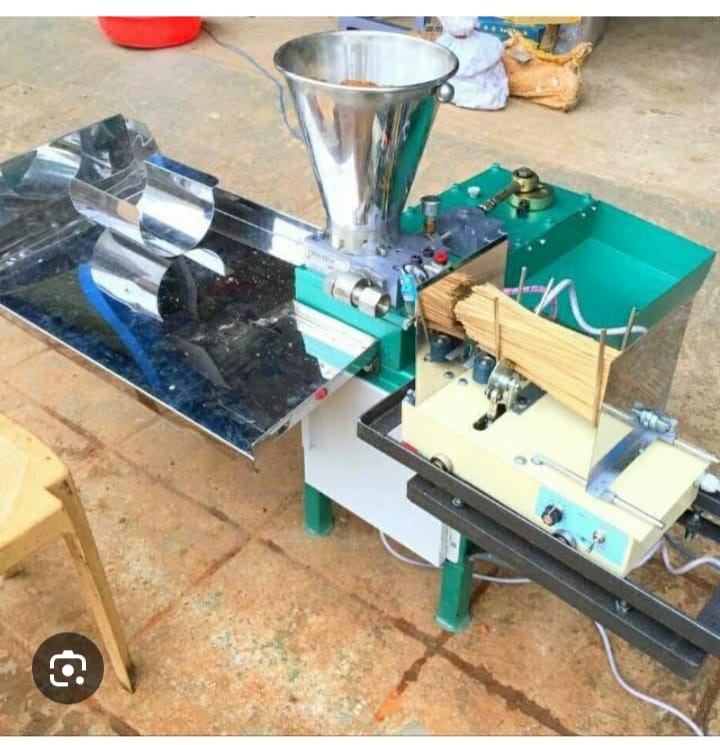
The incense stick (Agarbatti) industry is a cornerstone of the global fragrance and spiritual market. What was once a purely manual, labor-intensive craft has been transformed by the advent of Agarbatti Making Machines. Whether you are a budding entrepreneur or a curious observer, understanding the mechanics, types, and business potential of these machines is key to navigating this 'scent-sational' industry.+11. The Shift from Manual to MachineTraditionally, Agarbatti was made by hand-rolling a paste of charcoal, wood powder, and binders onto a bamboo stick. While artisanal, this process was slow and inconsistent. Modern machines have introduced:Uniformity: Every stick has the same diameter and length.High Output: One machine can do the work of 20 manual laborers.Cost-Efficiency: Massive reduction in waste and labor costs.2. Types of Agarbatti Making MachinesDepending on your budget and production goals, machines generally fall into three categories:A. Manual Pedalling MachinesThese are the entry-level options. The operator uses a foot pedal to push the dough through the extruder.Best for: Small home-based businesses or rural empowerment projects.Production: 15–20 sticks per minute.B. Semi-Automatic MachinesThese machines automate the extrusion process but require an operator to manually feed the bamboo sticks into the feeder.Best for: Small to medium enterprises (SMEs).Production: 60–100 sticks per minute.C. Fully Automatic MachinesThe 'gold standard' of production. These machines feature an automatic stick feeder and a high-speed extrusion system. You simply load the dough and the sticks, and the machine does the rest.Best for: Industrial-scale production.Production: 150–300+ sticks per minute.3. Key Components of the MachineTo understand how it works, you have to look under the hood. Most high-speed automatic machines consist of:Hopper: Where the raw incense dough (masala) is loaded.Piston/Screw Extruder: Pushes the dough through a die at high pressure.Stick Feeder: A vibrating or gravity-fed tray that aligns bamboo sticks for insertion.Die & Rocket: The precision tools that coat the stick evenly with the paste.Collection Tray: Where the finished 'raw' sticks land before drying.4. The Production Process: Step-by-StepIt isn't just about turning on a switch. A successful production run involves several stages:Step 1: Raw Material MixingThe dough is a precise blend of:Charcoal Powder: The combustible base.Jigat (Joss Powder): A natural bark-based binder.White Chips/Wood Powder: For texture and bulk.Water: To create a pliable, clay-like consistency.Step 2: ExtrusionThe machine takes a bamboo stick and 'pipes' the dough around it. The pressure must be perfect; too much and the stick breaks, too little and the dough falls off.Step 3: DryingRaw sticks contain moisture. They are typically dried in the sun or in specialized drying chambers (ovens) to prevent mold and ensure a clean burn.Step 4: Scenting (Dipping)This is where the magic happens. The dried sticks are dipped into a mixture of concentrated perfume and a solvent like DEP (Diethyl Phthalate). The ratio is usually 1:3 or 1:4.Step 5: PackagingFinal sticks are counted and packed into pouches or boxes. Presentation is vital for branding in this competitive market.5. Technical Specifications to ConsiderIf you are looking to purchase a machine, keep these metrics in mind:FeatureSpecification RangeMotor Power1 HP to 2 HPProduction Speed3 kg to 15 kg per hourStick Length8-inch, 9-inch, or 12-inch (adjustable)Machine Weight100 kg to 200 kgPower SourceSingle-phase or Three-phase6. Business Advantages & ROIWhy invest in an Agarbatti machine?High Demand: Incense is used daily in homes, temples, and for aromatherapy globally.Low Entry Barrier: You don't need a PhD to operate these machines. Basic training is usually sufficient.Scalability: You can start with one machine in a garage and scale to a factory floor of twenty.Pro Tip: The Profit Margin in Agarbatti is often found in the Perfuming and Branding stages rather than just the raw stick production.7. Maintenance and LongevityLike any mechanical equipment, these machines require 'TLC' (Tender Loving Care):Daily Cleaning: The dough hardens quickly. If you don't clean the die and piston after every shift, the machine will jam.Lubrication: Moving parts like gears and chains need regular oiling.Part Replacement: The 'Rocket' and 'Die' are wear-and-tear parts that usually need replacement every few months depending on usage.8. Common ChallengesDough Consistency: If the mixture is too wet, sticks stick together. If too dry, the machine jams.Stick Quality: Low-quality bamboo sticks can have knots that cause the machine to 'misfire.'Market Competition: Since the entry barrier is low, branding and unique fragrances are your only real defense against competitors.ConclusionThe Agarbatti making machine is a bridge between ancient tradition and modern efficiency. For an entrepreneur, it offers a path to steady income with a product that literally 'goes up in smoke'—creating a constant cycle of repeat customers. With the right blend of raw materials, a reliable machine, and a signature scent, you can turn a humble stick of wood into a fragrant success.