

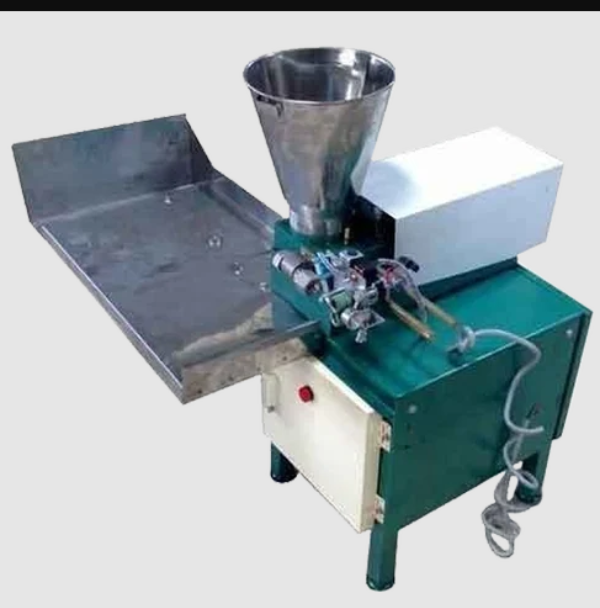
Agarbatti (incense sticks) and dhoop have been an integral part of Indian culture, spirituality, and daily life for centuries. Used in homes, temples, offices, and ceremonial events, these fragrant products symbolize purity, devotion, and positivity. With rising population, urbanization, and increasing demand for aromatic and herbal products, the agarbatti and dhoop industry has evolved from a traditional cottage activity into a well-organized manufacturing sector.
At the heart of this transformation lies the Agarbatti and Dhoop Making Machine, which has revolutionized production by improving efficiency, consistency, and scalability. These machines enable entrepreneurs, self-help groups, and small to medium enterprises to meet growing domestic and international demand while maintaining quality standards.
This article provides a comprehensive understanding of agarbatti and dhoop making machines, including their importance, types, components, advantages, business potential, and future scope.
Understanding Agarbatti and Dhoop
What is Agarbatti?
Agarbatti, commonly known as incense sticks, consists of a thin bamboo stick coated with a mixture of aromatic powders, natural resins, charcoal, and binding materials. When lit, it releases a pleasant fragrance that enhances spiritual and mental well-being.
What is Dhoop?
Dhoop is a thicker incense product, usually without a bamboo core. It is available in stick, cone, coil, or paste form and produces a denser, longer-lasting fragrance. Dhoop is widely used in religious rituals and meditation practices.
Evolution of Agarbatti and Dhoop Manufacturing
Traditionally, agarbatti and dhoop were made by hand, a process that was labor-intensive, time-consuming, and inconsistent in quality. As demand increased, manual production could no longer meet market requirements. This led to the development of mechanized solutions.
The introduction of agarbatti and dhoop making machines brought several improvements:
Faster production rates
Uniform size and shape
Reduced dependence on manual labor
Better hygiene and quality control
Increased profitability
Today, machines play a vital role in modern incense manufacturing.
What is an Agarbatti and Dhoop Making Machine?
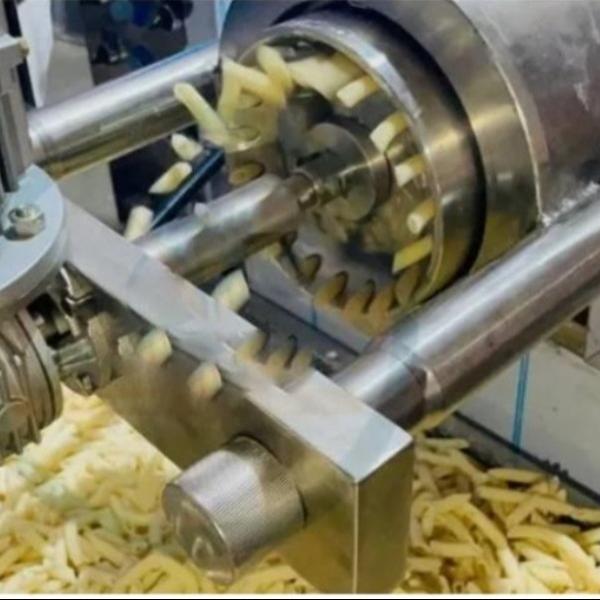
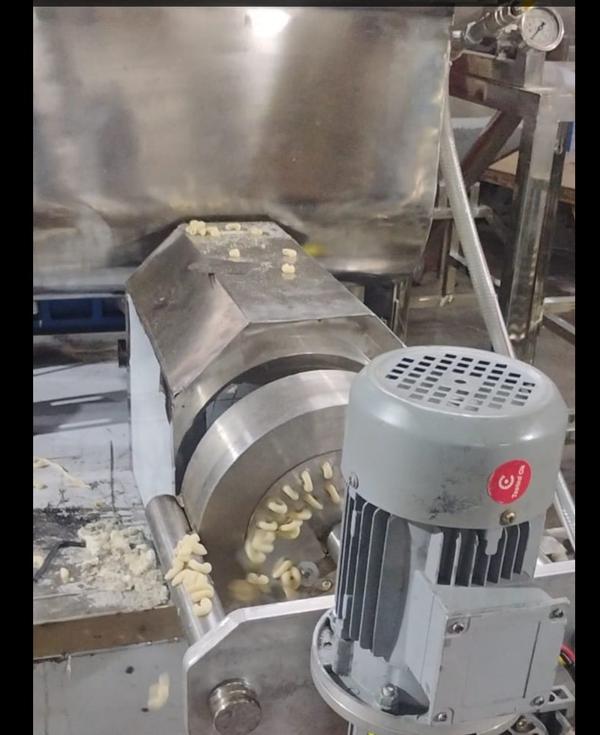
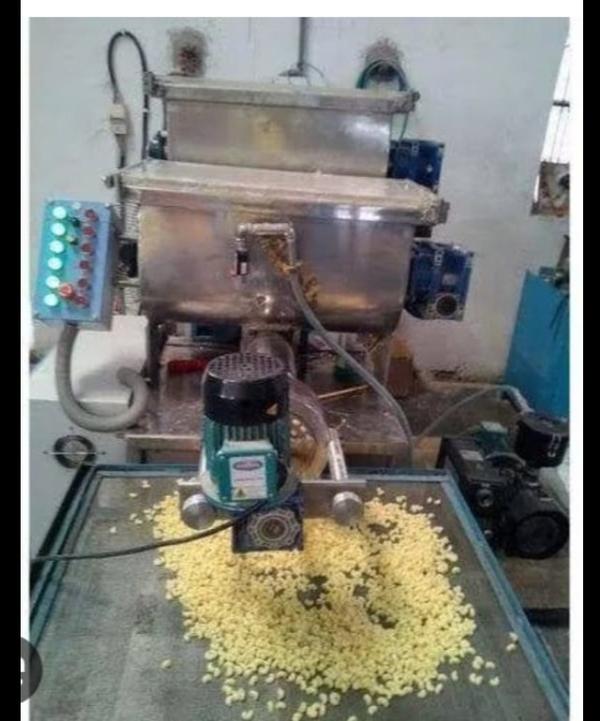
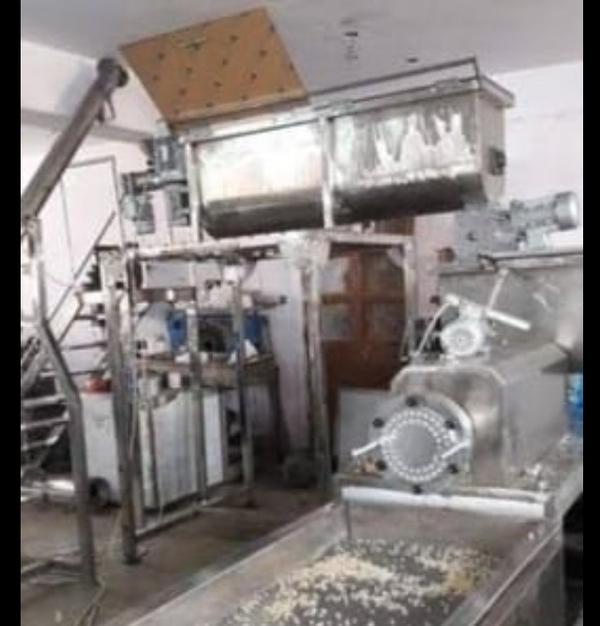
An Agarbatti and Dhoop Making Machine is a mechanical or semi-automatic system designed to shape incense mixtures into sticks or dhoop forms with consistent thickness and length. These machines are designed for ease of use, durability, and adaptability to different production scales.
They are commonly used by:
Small and medium manufacturing units
Home-based businesses
Self-help groups (SHGs)
Start-ups and entrepreneurs
Large incense manufacturing companies
Types of Agarbatti and Dhoop Making Machines
1. Manual Machines
Manual machines are simple devices operated by hand pressure. They are suitable for very small-scale production and training purposes.
Key features:
Low investment
Simple design
Portable
Limited production capacity
2. Semi-Automatic Machines
Semi-automatic machines use electric power but require some manual involvement. They are popular among small businesses due to their balance of cost and productivity.
Key features:
Moderate production capacity
Consistent output
Affordable maintenance
Ideal for MSMEs
3. Fully Automatic Machines
Fully automatic machines handle the complete production process with minimal human intervention. These machines are used in large-scale commercial manufacturing.
Key features:
High production output
Uniform quality
Time efficiency
Advanced control systems
Key Components of the Machine
Although designs may vary, most agarbatti and dhoop making machines consist of the following core components:
Mixing Unit
Ensures uniform blending of raw materials such as charcoal powder, aromatic ingredients, and binders.
Extrusion or Rolling System
Shapes the prepared mixture into sticks or dhoop forms with consistent thickness.
Cutting Mechanism
Maintains uniform length and appearance of the finished product.
Motor and Drive System
Provides controlled mechanical motion for smooth and continuous operation.
Frame and Body
Constructed using durable materials to ensure stability and long operational life.
Raw Materials Used (Overview)
While specific formulations vary by brand, common raw materials include:
Charcoal powder
Jigat or natural binders
Aromatic and herbal powders
Essential oils and fragrances
Bamboo sticks (for agarbatti)
The quality of raw materials plays a crucial role in determining fragrance, burn time, and customer satisfaction.