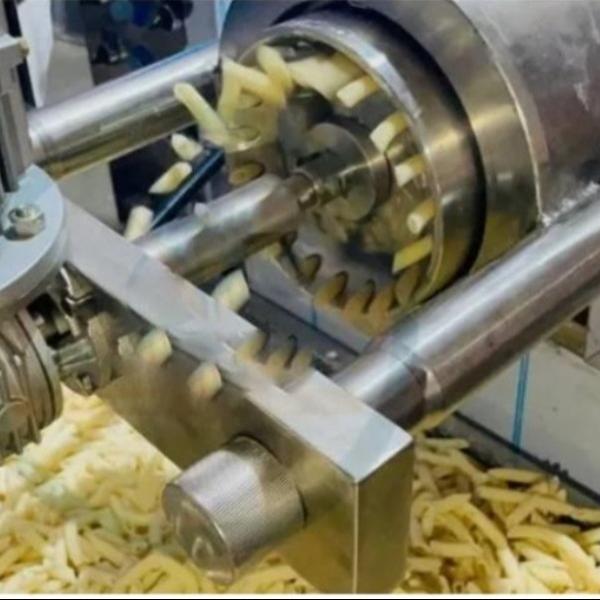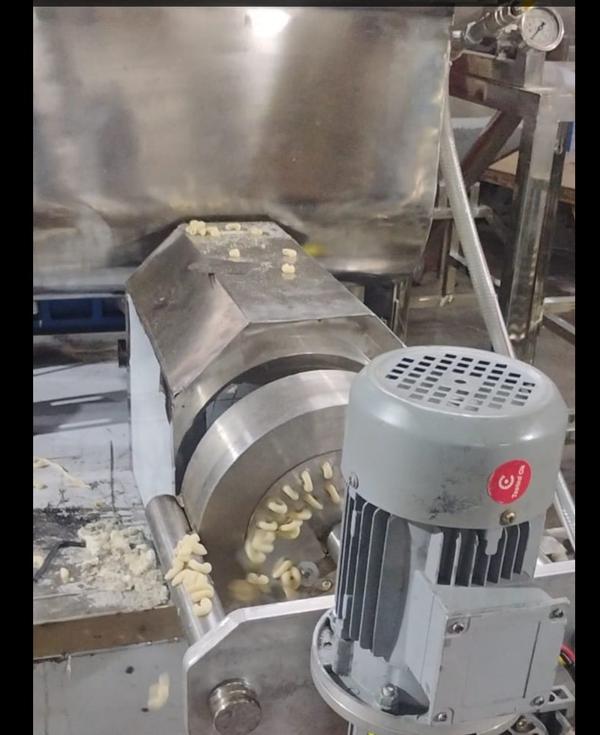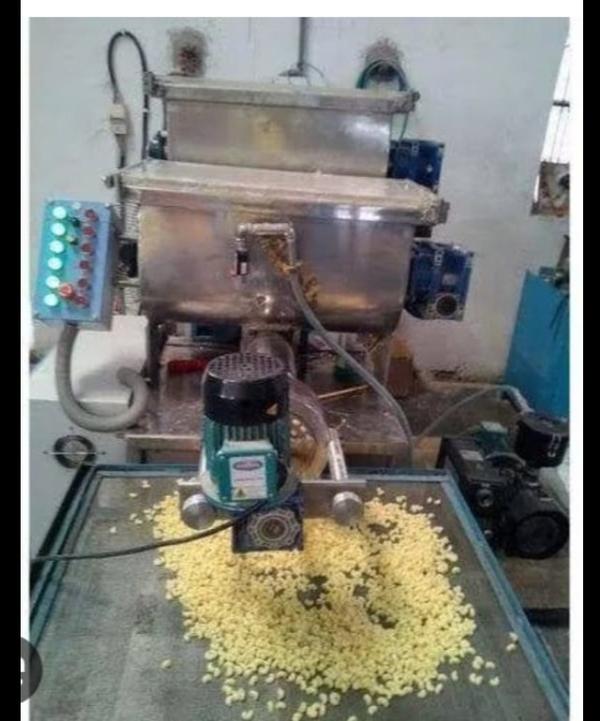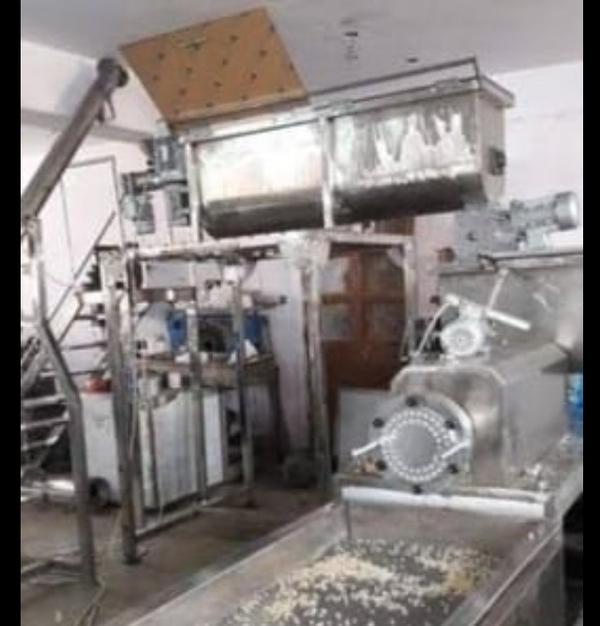


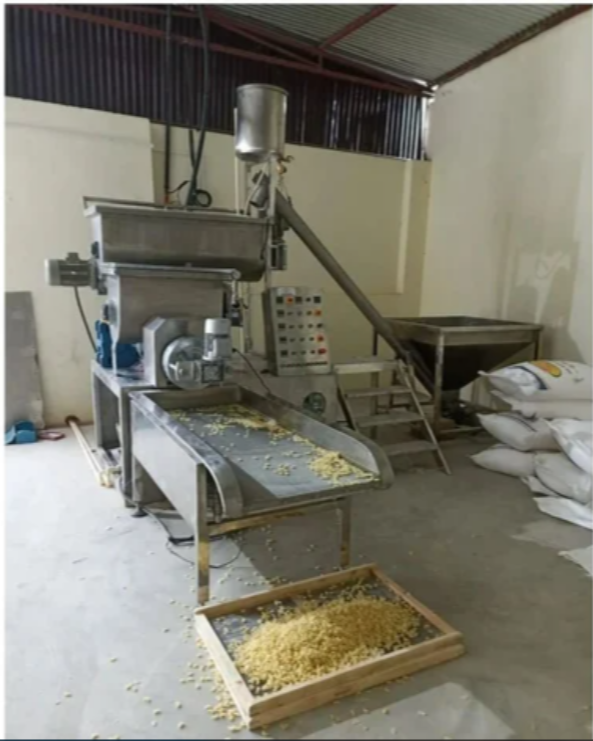
In the world of food processing, automation and energy efficiency are the keys to success. Among various modern food production machines, the 3 Phase Automatic Pasta Making Machine has emerged as a game-changer. Designed for commercial and industrial applications, this machine streamlines the entire pasta-making process — from mixing and kneading to extrusion, cutting, and drying — all powered by a three-phase electrical system for stable, high-performance operation.
As the global demand for pasta, macaroni, spaghetti, fusilli, and vermicelli continues to grow, food manufacturers are seeking high-capacity, energy-efficient, and reliable machinery. The 3 Phase Automatic Pasta Making Machine delivers all these benefits and more. With its robust design, smart controls, and continuous production capabilities, it ensures consistency, quality, and profitability in every batch.
This comprehensive article explores everything you need to know about this machine — from its features, specifications, benefits, and components to installation, maintenance, and market potential.
1. What is a 3 Phase Automatic Pasta Making Machine?
A 3 Phase Automatic Pasta Making Machine is a heavy-duty industrial food processing unit used for manufacturing pasta products at scale. It operates on a three-phase electrical power supply, which provides:
Higher voltage stability
Better efficiency
Lower energy loss
Capability to handle heavy loads
Unlike single-phase machines, a 3-phase pasta machine can operate continuously for hours without overheating or voltage fluctuations, making it ideal for medium to large-scale pasta production units.
This machine automates the entire pasta-making process, including:
Flour mixing and kneading
Extrusion and shaping
Cutting and drying
Cooling and packaging (optional)
It’s widely used by:
Pasta manufacturing factories
Food processing industries
Commercial kitchens
Export-oriented units
Startups in the food secto