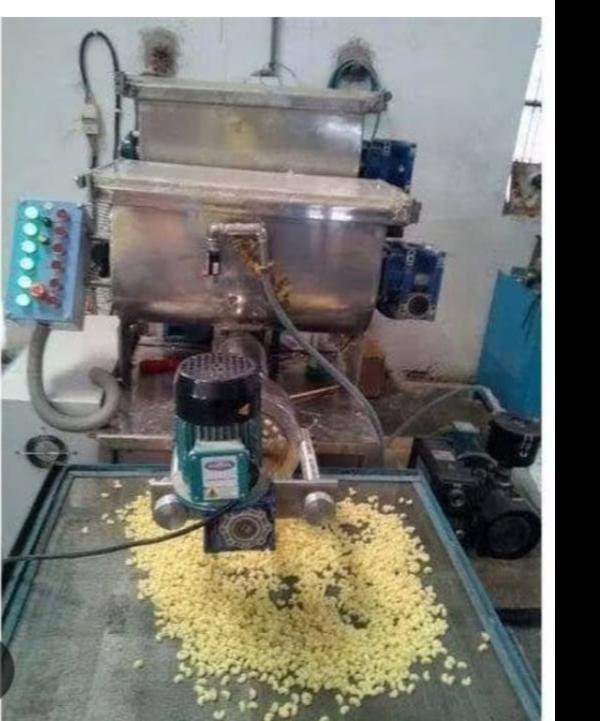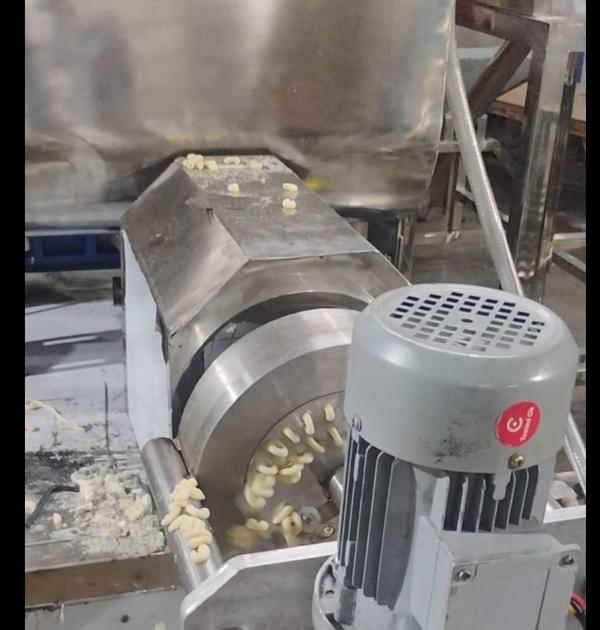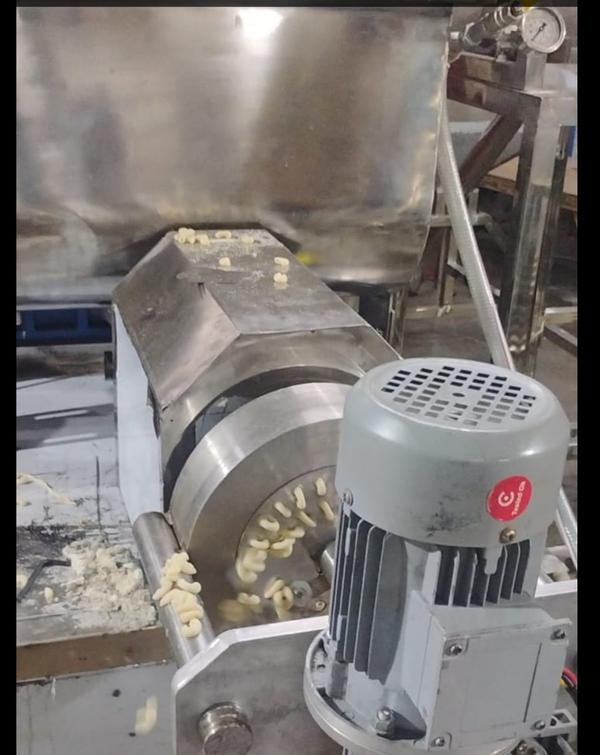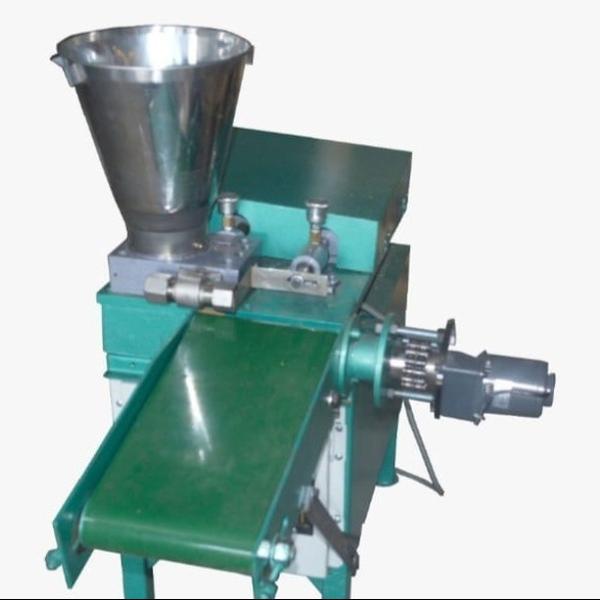


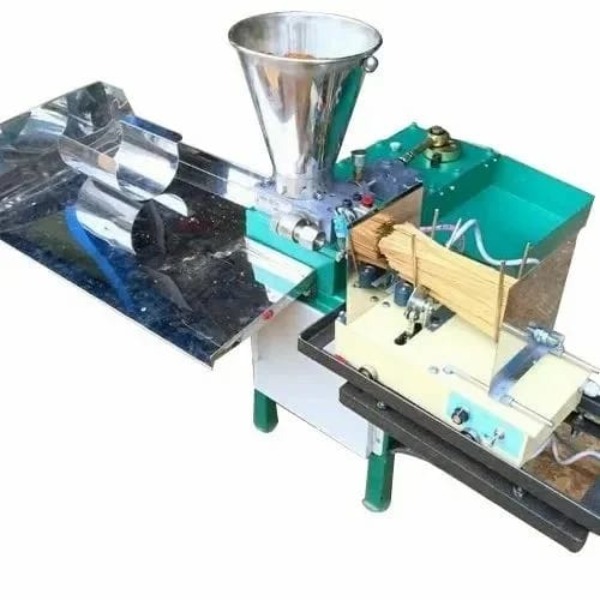
Agarbatti, commonly known as incense sticks, has been an integral part of Indian culture for centuries. Used for religious rituals, aromatherapy, meditation, and everyday fragrance, agarbattis have a strong and growing market demand. With the rise of small-scale industries and home-based entrepreneurship, the Agarbatti Making Machine has become a vital tool for efficient and profitable agarbatti production. This guide explores its types, working process, features, benefits, business potential, and more.
1. Introduction to Agarbatti Making Machine
An Agarbatti Making Machine is a mechanical or automatic device designed to roll incense sticks by coating raw bamboo sticks with a mixture of powdered ingredients. Traditionally, agarbatti rolling was done manually, which required time, skill, and physical effort. The modern machine has transformed the process by making it faster, consistent, and more cost-effective.
These machines are widely used by small-scale manufacturers, self-help groups, NGOs, and entrepreneurs entering the incense stick industry. They help boost production capacity, reduce labor costs, and ensure uniform quality, which is essential for market competition.
2. Types of Agarbatti Making Machines
Agarbatti machines come in various types depending on speed, automation level, and output capacity. The major types are:
a) Manual Agarbatti Machine
Operated by hand
Low cost, suitable for beginners
Slow output (2–5 kg per day)
Requires physical effort
Though outdated for large production, manual machines are still used in rural areas with minimal investment.
b) Semi-Automatic Agarbatti Machine
Partial automation with manual feeding
Higher productivity (20–40 kg per day)
Affordable for small businesses
Better stick coating uniformity
These machines are popular among first-time entrepreneurs due to their balance of cost and performance.
c) Fully Automatic Agarbatti Machine
Complete automation from feeding to rolling
High production rate (80–150+ kg per day)
Minimal labor required
Consistent quality and high efficiency
Fully automatic machines are essential for commercial manufacturing units and bulk production.
d) High-Speed & Double Pedal Machines
Innovative machines with advanced motor systems
Super-fast coating and long working hours
Ideal for export-quality agarbatti production
3. Key Components of an Agarbatti Machine
Although designs vary, most machines include the following essential parts:
Motor: Powers the entire system.
Feeding Mechanism: Feeds bamboo sticks into the rolling chamber.
Nozzle: Determines the thickness of the agarbatti.
Roller/Extruder: Applies the mixture uniformly onto the stick.
Control Panel: Regulates speed, pressure, and production rate.
Frame & Stand: Provides stability during operation.
These components work together to produce smooth, uniform agarbattis with minimal wastage.
4. Working Process of Agarbatti Making Machine
The manufacturing process involves several steps, from raw material preparation to packaging. Here’s how the machine works:
Step 1: Preparing the Raw Material
A mixture of charcoal powder, sawdust, jigat powder, and essential oils is prepared with water to create a soft dough-like paste.
Step 2: Feeding Bamboo Sticks
Bamboo sticks are loaded into the feeding tray of the machine.
Step 3: Machine Rolling Process
As the machine operates:
A bamboo stick enters the nozzle.
The paste is automatically applied around the stick.
The rolling mechanism ensures uniform thickness and length.
Step 4: Drying the Agarbatti
Freshly rolled sticks contain moisture and must be dried for 24–48 hours under sunlight or a drying machine.
Step 5: Fragrance Application
Once dried, fragrances or essential oils are applied based on market demand.
Step 6: Packaging
The final sticks are packed into pouches or boxes for sale.
5. Features of Modern Agarbatti Machines
Modern machines come with advanced features that improve efficiency:
High production capacity
Low power consumption
Noise-free operation
Stainless steel body for durability
Interchangeable nozzles for different stick sizes
Easy maintenance and spare part availability
Safety controls for motor overload
6. Benefits of Using an Agarbatti Making Machine
a) Higher Production Efficiency
Machines drastically reduce the time required to make agarbattis, allowing businesses to meet bulk orders easily.
b) Low Labor Requirement
One operator can manage multiple machines, reducing operational costs.
c) Consistent Quality
Uniform shape, size, and coating enhance consumer satisfaction and brand reputation.
d) Cost-Effective
Compared to manual labor, the machine provides better output at a lower cost per stick.
e) Ideal for Small Businesses
Low investment with high returns makes it perfect for new entrepreneurs.
7. Raw Materials Required
To start production, you need:
Bamboo sticks
Charcoal powder
Sawdust or wood powder
Jigat (binding material)
Essential oils and perfumes
Packaging materials
Water
These materials are easily available in local markets or from bulk suppliers.
8. Business Potential & Profit Margin
The incense industry in India and abroad is continuously growing due to religious needs and rising demand for aromatherapy products. Because of low investment and high returns, agarbatti making is considered one of the most profitable small-scale industries.
Investment
Machine cost: ₹15, 000 to ₹1, 50, 000 (depending on type)
Raw materials: Low investment
Space required: 200–500 sq. ft.
Profit Margin
On average, manufacturers can earn:
₹10, 000 to ₹80, 000 per month, depending on output and sales.
Export-quality agarbattis offer even higher profit margins.
9. Maintenance Tips
Proper maintenance increases the lifespan of the machine:
Clean the nozzle after each batch
Lubricate moving parts regularly
Check motor wiring and tighten bolts
Use high-quality raw materials to prevent clogging
Replace worn parts promptly
10. Conclusion
The Agarbatti Making Machine is a powerful tool that has revolutionized the incense stick industry. Whether you are a budding entrepreneur, a small business owner, or someone planning to start a home-based business, investing in an agarbatti machine can be an excellent opportunity. With its high demand, low investment, and simple operation, agarbatti manufacturing continues to be one of the most profitable small-scale industries in India and abroad.
By choosing the right machine, maintaining it properly, and focusing on quality, you can establish a successful and sustainable agarbatti production business.