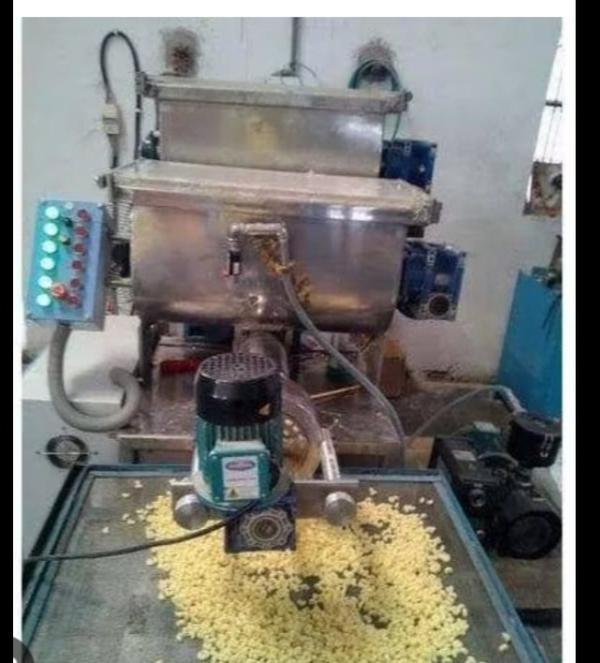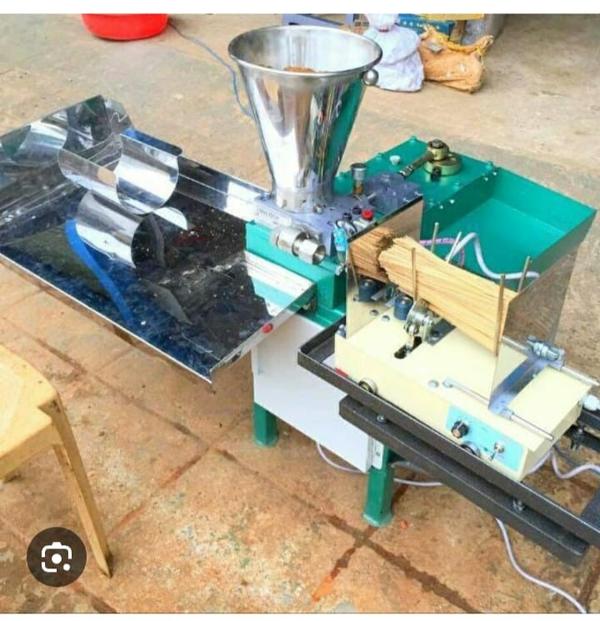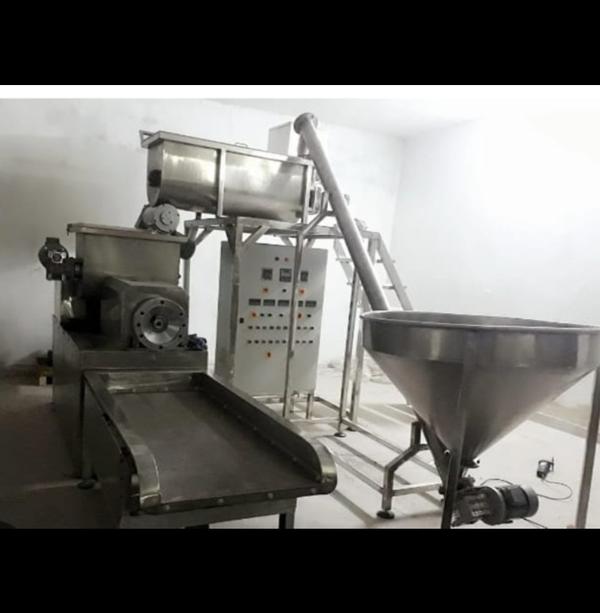


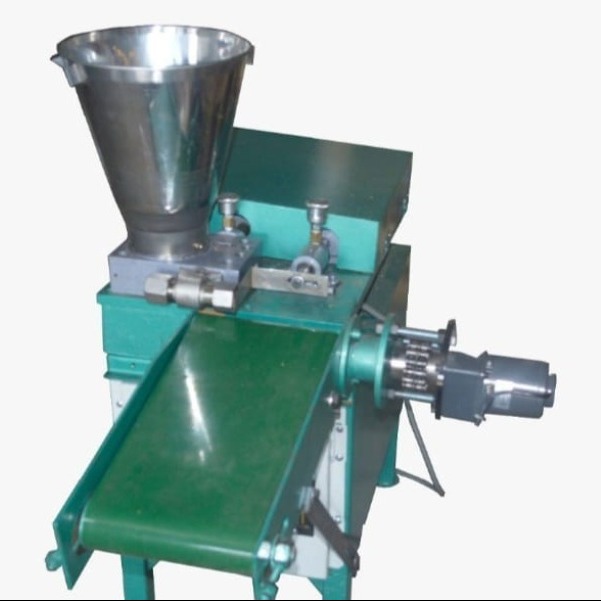
The manufacturing of incense sticks—commonly known as agarbatti—has evolved from a labor-intensive manual craft into a high-speed, automated industry. At the heart of this transition is the Dry Stick Making Machine.Whether you are an entrepreneur looking to start a small-scale business or a technical enthusiast curious about industrial automation, understanding how these machines function is key to mastering the production process.1. What is a Dry Stick Making Machine?A Dry Stick Making Machine is an automated piece of equipment designed to coat thin bamboo sticks with a specialized paste made from charcoal powder, wood powder, and binders (like Jigat or Guar gum). Unlike 'wet' dipping processes used for scenting, the 'dry' stick machine refers to the extrusion and coating process where the raw physical structure of the incense stick is formed.Core ComponentsHopper: Where the incense powder mix is loaded.Feeder: A system that aligns and pushes raw bamboo sticks into the machine.Die/Nozzle: The critical component that determines the thickness of the coating.Piston/Hydraulic System: Provides the pressure to extrude the paste onto the stick.Collection Tray: Where the finished 'raw' sticks are gathered for drying.2. Technical Specifications & Working PrincipleThe machine operates on a simple but precise principle of continuous extrusion.Preparation: A semi-solid dough is prepared by mixing raw materials with water. This dough is placed in the machine’s cylinder.Feeding: Bamboo sticks are loaded into a vibrating feeder that ensures they enter the machine one by one at high speeds (often up to 300 sticks per minute).Coating: As the stick passes through the die, the hydraulic or piston-driven system forces the paste around the stick.Cutting/Sizing: The machine ensures that a small portion of the bamboo (the handle) remains uncoated.Key Performance MetricsFeatureStandard Semi-AutoHigh-Speed Fully AutoProduction Speed150 - 200 sticks/min300 - 450 sticks/minStick Length8' to 12'8' to 19'Power Consumption1.0 HP to 1.5 HP2.0 HP +Labor Requirement1 person per machine1 person for 3 machines3. Raw Materials: The 'Recipe' for SuccessA machine is only as good as the material fed into it. To prevent jamming and ensure a smooth finish, the powder mix must be consistent.Bamboo Sticks: Usually 1.3mm to 2mm in diameter.Charcoal Powder: Provides the base and ensures steady burning.Wood Powder (Joss/Sawdust): Acts as a filler.Binding Agent: Jigat powder (Bark of Litsea Glutinosa) is the gold standard for creating the 'glue' that holds the paste to the stick.Potassium Nitrate ($KNO_3$): Sometimes added in tiny amounts to ensure the stick doesn't self-extinguish.4. Maintenance and TroubleshootingBecause these machines deal with abrasive powders and high-pressure extrusion, maintenance is non-negotiable.Daily Maintenance ChecklistCleaning the Die: The nozzle must be cleaned after every shift to prevent the paste from hardening and clogging the exit.Lubrication: Moving parts, especially the piston and feeder gears, require industrial-grade grease.Sensor Check: Most modern machines use infrared sensors to detect sticks; these must be kept dust-free.Common IssuesStick Jamming: Usually caused by bent bamboo sticks or a misaligned feeder.Rough Surface: Often a sign that the powder-to-water ratio in your dough is incorrect (too dry).Hollow Coating: Occurs when the pressure in the extrusion chamber drops.5. The Economics of the BusinessInvesting in a Dry Stick Making Machine is a popular entry point for 'Micro, Small, and Medium Enterprises' (MSMEs).Low Entry Barrier: A basic automatic machine is relatively affordable.High Demand: Incense is used globally for religious, meditative, and aromatic purposes.Scalability: You can start with one machine in a small garage and scale to a 'battery' of 10 machines as your distribution grows.Pro Tip: Don't just sell raw sticks. The real profit margin lies in the Value Addition—the drying, scenting (perfuming), and branded packaging.6. Future Trends: Eco-Friendly MachinesThe industry is currently shifting toward 'Cow Dung' or 'Flower Waste' incense sticks. Modern dry stick machines are being recalibrated to handle these fibrous materials, allowing manufacturers to market 'organic' and 'charcoal-free' products to eco-conscious consumers.ConclusionThe Dry Stick Making Machine has turned a spiritual tradition into a precise science. By balancing the mechanics of the feeder, the chemistry of the paste, and the consistency of the drying process, manufacturers can produce thousands of sticks an hour with minimal waste.