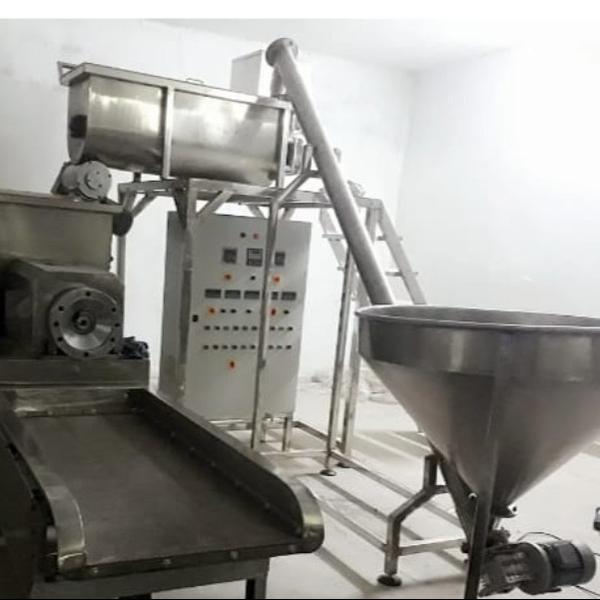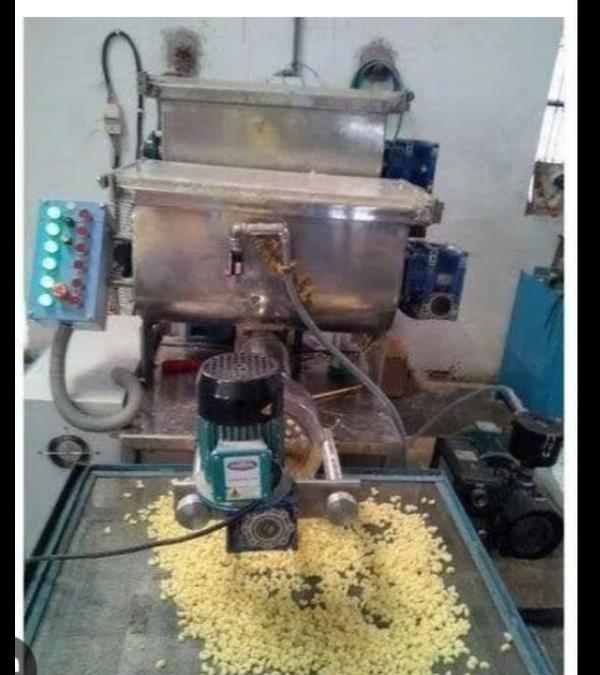


Whether you’re a culinary enthusiast or a professional chef, the journey from flour and eggs to a steaming plate of al dente noodles is a transformative experience. While hand-rolling pasta is a romantic notion, a pasta making machine is the bridge between a messy kitchen experiment and consistent, high-quality results.This guide explores everything you need to know about these machines—from the mechanics of the classic hand-crank to the high-tech extruders of 2026.1. The Anatomy of a Pasta MachineAt its core, a pasta machine is designed to do two things: knead/flatten the dough and cut it into specific shapes.Manual Roller Machines (The Traditionalist's Choice)The classic manual machine (like the iconic Marcato Atlas 150) uses a pair of adjustable rollers. You feed a flattened piece of dough through the rollers, gradually narrowing the gap until you reach the desired thickness.The Rollers: Usually made of anodized aluminum or steel.The Adjustment Dial: Typically features settings from 0 (thickest) to 9 (paper-thin).The Cutter Attachment: Most come with a dual-head for Fettuccine and Tagliolini.Electric Extruders (The Modern Marvel)Unlike rollers that create flat sheets, extruders force dough through a 'die' (a shaped disc). This is how you get shapes like Penne, Rigatoni, or Fusilli.Automatic Mixing: High-end models mix and knead the dough for you in about 10 minutes.High Pressure: The machine uses a screw-drive system to push dough through the brass or plastic die.2. Choosing the Right Machine for Your KitchenSelecting a machine depends on your patience, your preferred pasta shapes, and how much counter space you’re willing to sacrifice.FeatureManual RollerElectric ExtruderMixer AttachmentBest ForLasagna, Ravioli, TagliatellePenne, Macaroni, SpaghettiMulti-taskersEffort LevelHigh (Arm workout included)Low (Fully automated)MediumPrice Range$70 – $150$200 – $500$100 – $200DurabilityLasts a lifetimeDependent on motor lifeHigh (if the mixer is good)3. The Science of the Perfect DoughA machine is only as good as the dough you feed it. For a machine to work effectively, the hydration level must be precise.The Golden RatioFor most machines, the standard formula is:3 parts Flour (Tipo 00 or Semolina)2 parts Egg (Whole eggs or yolks)In mathematical terms, the hydration is usually around 35% to 57% depending on the humidity of your kitchen. If the dough is too wet, it will stick to the rollers; if it’s too dry, it will crack and crumble.4. Step-by-Step: Using a Roller MachinePreparation: Flatten your dough disc with a rolling pin until it’s about half an inch thick.The Wide Pass: Set the machine to its widest setting (0 or 1). Pass the dough through.Laminating: Fold the dough into thirds (like a letter) and pass it through again. This develops the gluten structure for that 'snap.'Gradual Reduction: Move the dial up one notch at a time. Do not skip numbers, or you’ll stress the gears and tear the dough.The Cut: Once you reach the desired thinness, move the handle to the cutter head and feed the sheet through.5. Maintenance and TroubleshootingOne of the biggest mistakes beginners make is washing their pasta machine with water. > Crucial Note: Never submerge a manual pasta machine in water. It will rust the internal gears and cause the rollers to seize.Cleaning: Use a dry pastry brush to flick away flour. If dough is stuck, wait for it to dry completely, then use a toothpick to pop it out.Squeaking: A drop of food-grade mineral oil on the ends of the rollers will keep the mechanism smooth.Common IssuesTearing: The dough is too dry or you skipped a thickness setting.Sticking: The dough is too wet. Dust it liberally with semolina flour before passing it through.Rough Edges: Your dough wasn't kneaded enough before it hit the rollers.6. Beyond the Basics: Different Dies and ShapesIf you opt for an extruder, the 'Die' is the most important component.Bronze Dies: These are the gold standard. They leave a slightly rough texture on the pasta, which helps the sauce 'grip' the noodle.Teflon/Plastic Dies: These create very smooth, shiny pasta. While they are easier to clean, they don't hold sauce as well.7. Is It Worth It?Making your own pasta is an investment in flavor. Store-bought dried pasta is often made from lower-grade flour and lacks the richness of fresh eggs. With a machine, you gain control over the ingredients—allowing for gluten-free blends, spinach-infused doughs, or even squid-ink delicacies.The '1000-word' truth of pasta making is that it is a tactile skill. The machine provides the precision, but you provide the feel. After a few batches, you'll intuitively know when the dough needs a dusting of flour or a second pass through the rollers.