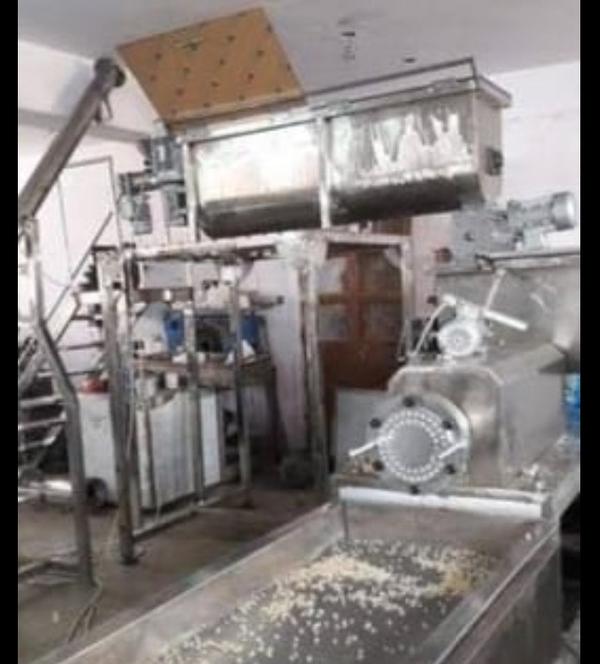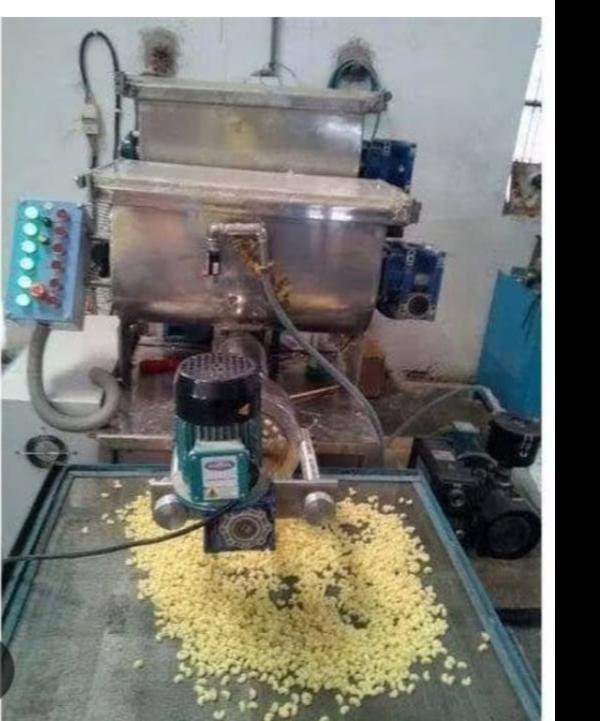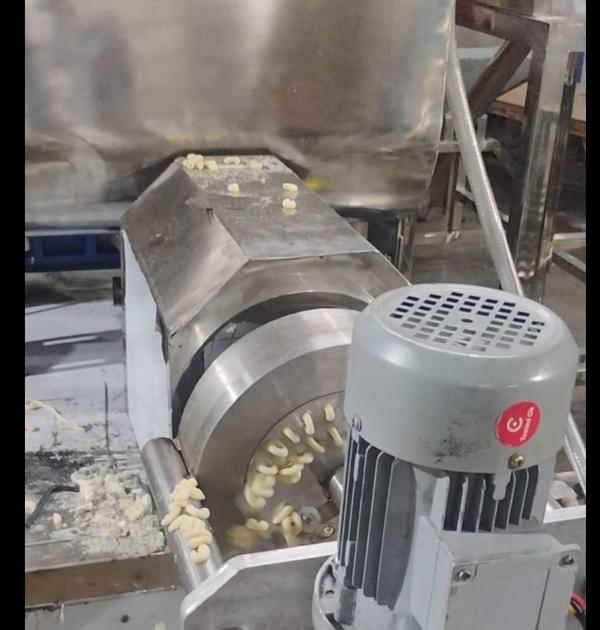


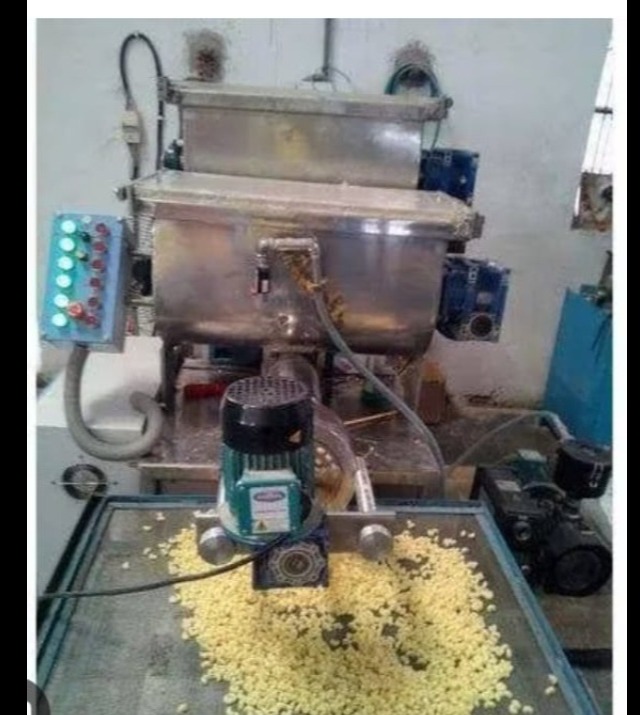
The Modern Marvel of Pasta Production: A Deep Dive into Macaroni Making MachinesThe journey of a simple macaroni noodle from a grain of durum wheat to a perfectly curved tube on your dinner plate is a masterclass in industrial engineering. While handmade pasta is an art, the Pasta Macaroni Making Machine is the workhorse of the global food industry, combining chemistry, physics, and mechanical precision to meet world demand.Whether you are an aspiring entrepreneur or a food science enthusiast, understanding the intricacies of these machines reveals the fascinating 'magic' behind the dry pasta aisle.1. The Core Components: Anatomy of the MachineA commercial macaroni production line isn't just one box; it’s a synchronized system of specialized components.The Mixing System (The Dough Foundation)The process begins in the High-Speed Mixer. Here, semolina flour (coarsely ground durum wheat) is combined with water (and sometimes eggs or vegetable purees).The Goal: Achieving a moisture content of roughly 28% to 32%.Vacuum Technology: High-end machines utilize a vacuum mixing chamber. By removing air during mixing, the machine prevents oxidation and ensures the pasta maintains a vibrant yellow color and a dense, bubble-free structure.The Extrusion System (The Heart)This is where the dough becomes 'pasta.' The dough is pushed through a cylinder by a massive Archimedes' Screw.Pressure: The screw generates immense pressure to force the stiff dough through a shaped die.Cooling Jackets: Friction generates heat. If the dough gets too hot (above 50°C), the protein structure degrades. Modern machines use water-cooling jackets around the extrusion barrel to keep the temperature stable.The Cutting MechanismAs the long tubes emerge from the die, a rotating blade—timed precisely to the extrusion speed—snips them into the familiar short macaroni shapes.2. The Science of the 'Die'The 'die' is the mold that determines the pasta's shape. For macaroni, the die isn't just a hole; it features a bridge and a pin in the center to create the hollow tube.Teflon Dies: These produce pasta with a very smooth, shiny surface. It’s popular for mass-market macaroni.Bronze Dies: These are the gold standard for premium pasta. Bronze creates a slightly 'shaggy' or porous surface.Why it matters: This rough texture allows pasta sauce to 'grip' the noodle rather than sliding off.3. The Multi-Stage Production ProcessOperating a macaroni machine is a linear journey through several critical phases:Phase 1: Dosing and MixingRaw materials are automatically weighed. The machine ensures the ratio of flour to water is constant to maintain 'al dente' quality.Phase 2: Extrusion and ShapingThe screw kneads the dough one last time under high pressure before pushing it through the macaroni die.Phase 3: Pre-Drying (The 'Skin' Formation)Immediately after cutting, the macaroni is blasted with hot air in a shaker pre-dryer. This prevents the pieces from sticking together and forms a 'skin' that holds the shape.Phase 4: Final Drying (The Long Haul)This is the most sensitive stage. If pasta dries too fast, it cracks (crazing); if too slow, it can mold.Traditional Drying: Can take 12 to 24 hours.Turbo Drying: High-temperature machines can finish the job in 2 to 4 hours using controlled humidity cycles.4. Technical Specifications & PowerIf you are looking to invest in a machine, the specifications generally fall into three categories:FeatureSmall Scale (Cottage)Industrial (Large Scale)Production Capacity10 – 30 kg/hour500 – 2, 000+ kg/hourPower Consumption2 kW – 5 kW50 kW – 150 kWMaterialFood-grade Stainless Steel304/316 Stainless SteelOperationSemi-AutomaticFully Automated PLC Control5. Key Advantages of Modern Macaroni MachinesVersatility: By simply changing the die, the same machine can produce fusilli, penne, rigatoni, or shells.Consistency: Unlike manual kneading, the machine ensures the gluten network is developed identically in every batch.Hygiene: Closed-loop systems minimize human contact, adhering to strict HACCP and FDA food safety standards.Waste Reduction: Scraps from the cutting process are often fed back into the mixer, resulting in nearly zero ingredient waste.6. Maintenance and LongevityTo keep a macaroni machine running for decades, two things are paramount: Cleaning and Lubrication.Sanitization: Because the dough is wet, any residue left in the machine can harbor bacteria. Most modern machines feature 'Clean-in-Place' (CIP) designs.Die Care: Dies must be soaked in specialized cleaning solutions to remove hardened semolina that could scratch the mold or cause deformities in the pasta shape.7. The Future: Automation and AIThe next generation of macaroni machines is 'smart.' Sensors now monitor the viscosity of the dough in real-time. If the room’s humidity changes, the machine’s AI automatically adjusts the water dosage to ensure the final product remains identical. This level of precision ensures that whether you buy a box of macaroni in London or Tokyo, the texture remains exactly as the brand intended.Fun Fact: The 'elbow' in macaroni is created by the die having a slightly faster flow rate on one side than the other, causing the dough to naturally curl as it exits!Summary Checklist for BuyersCapacity: Do you need 50kg/day or 5 tons/day?Automation: Do you have the staff to monitor it, or do you need a 'set and forget' PLC system?Drying: Does the machine include a drying line, or will you use traditional racks?Space: Industrial lines can be 20 to 50 meters long