

Making your own pasta at home transforms a simple pantry staple into a culinary art form. While the process can be done by hand with a rolling pin and a knife, a pasta making machine is the heart of any serious home kitchen, offering precision, consistency, and speed.
Whether you are looking to buy your first machine or want to master the one you have, here is a comprehensive guide to everything you need to know about pasta making machines.
1. Types of Pasta Making Machines
There are two primary categories of pasta machines: Rollers (manual or electric) and Extruders.
Manual Roller Machines (The Classic)
The manual hand-crank machine is the iconic image of Italian home cooking. It clamps to your countertop and uses a handle to turn a set of stainless steel rollers.
How it works: You feed a flattened piece of dough through the rollers, gradually narrowing the gap until the pasta is paper-thin. Most come with a detachable cutter head for fettuccine and tagliolini.1
Pros: Highly durable, affordable, and gives you a great "feel" for the dough.
Cons: Requires two hands (one to crank, one to guide the dough) and can be physically tiring for large batches.
Electric Roller Machines and Attachments
These are essentially manual rollers powered by a motor. They can be standalone units or attachments for a stand mixer (like KitchenAid).2
Pros: Keeps both hands free to handle the delicate sheets of dough. Much faster for preparing large meals.
Cons: More expensive and noisier than manual versions.
Extruder Machines (The Versatile)
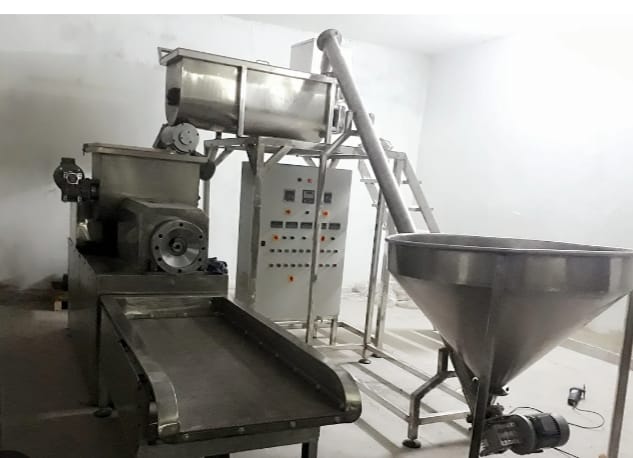
Unlike rollers that create flat sheets, extruders push dough through a "die" (a shaped disk) to create shapes like rigatoni, penne, or fusilli.3
Pros: The only way to make tubular pasta at home. Some fully automatic models (like the Philips Pasta Maker) mix the dough and extrude it in under 15 minutes.
Cons: Can be difficult to clean and often requires a specific, drier dough consistency.
2. Key Components of a Pasta Machine
To use a machine effectively, you should understand its anatomy:
The Adjustment Knob: This controls the distance between the rollers. Usually numbered 0 through 9, where 0 is the widest and 9 is the thinnest.
The Rollers: These knead and stretch the gluten in the dough, creating that signature "al dente" snap.
The Cutters: Specialized rollers with grooves that slice the sheet into specific widths.
The Clamp: Essential for manual machines to prevent them from sliding across the table during use.
3. The Science of the Dough
A machine is only as good as the dough you put into it. The "Golden Ratio" for Italian egg pasta is:
100 grams of Flour : 1 Large Egg
Flour Types
00 Flour: Highly refined and powdery. It creates a silky, soft texture perfect for ravioli.
Semolina: A coarser flour from durum wheat.4 It adds "tooth" and structure, making it ideal for extruders and sturdier noodles.
All-Purpose: A reliable backup, though it lacks the specific protein qualities of the others.
4. Step-by-Step: Using Your Machine
Step 1: Preparation and Rest
Mix your flour and eggs until a shaggy ball forms. Knead by hand for 10 minutes until smooth. Crucial Step: Wrap the dough in plastic and let it rest for at least 30 minutes.5 This allows the gluten to relax; without resting, the dough will snap back like a rubber band when you try to roll it.
Step 2: The First Pass (Kneading)
Set your machine to the widest setting (0). Flatten a piece of dough with your palm and run it through. Fold the dough in thirds (like a letter), rotate it 90 degrees, and run it through again.6 Repeat this 5–6 times. This "laminates" the dough, ensuring a uniform texture.
Step 3: Thinning
Slowly move the dial to the next setting (1, then 2, etc.). Run the dough through once or twice at each setting. Do not skip numbers, or you risk tearing the dough or stressing the machine’s gears.
Step 4: Cutting
Once you reach your desired thickness (usually setting 6 or 7 for fettuccine), attach the cutter head. Feed the sheet through while catching the noodles with your other hand or a pasta wand.
5. Troubleshooting Common Issues
Dough Tearing: The dough is likely too dry. Add a teaspoon of water and re-knead.
Dough Sticking to Rollers: The dough is too wet. Dust the sheet liberally with flour before passing it through again.
The "Corrugated" Look: If the pasta comes out wavy or puckered, you are likely trying to go too thin too fast. Go back a setting and roll again.
Noodles Sticking Together: After cutting, toss the pasta in semolina flour and bird-nest them on a drying rack.7
6. Maintenance and Cleaning
The Golden Rule: Never use water to clean a manual pasta machine.8
Water can rust the internal gears and cause the rollers to seize. Instead:
Let the machine sit for an hour so any residual dough dries out.
Use a dry pastry brush to flick away flour.
Use a wooden skewer or toothpick to remove dried bits of dough from the cutters.
Wipe the exterior with a dry cloth.
7. Why Invest in a Pasta Machine?
Beyond the superior taste, owning a pasta machine offers:
Control over Ingredients: You can make gluten-free, whole wheat, or vegetable-infused pasta (like spinach or beet).
Cost-Effectiveness: Flour and eggs are significantly cheaper than high-end artisanal dried pasta.
Culinary Creativity: You can create "laminated" pasta with fresh herbs or edible flowers pressed between two thin sheets.
Comparison Table: Manual vs. Automatic
| Feature | Manual Roller | Electric Extruder |
| Effort | High (Hand cranking) | Low (Fully automated) |
| Pasta Shapes | Flat (Fettuccine, Lasagna) | Shapes (Penne, Macaroni) |
| Texture | Traditional, silky | Denser, commercial style |
| Cleaning | Easy (Brush only) | Complex (Multiple parts) |
| Price | $30 - $80 | $150 - $300 |
Making pasta is a therapeutic process. There is a deep satisfaction in watching a shaggy ball of flour and eggs transform into translucent, golden ribbons. With the right machine and a bit of practice, you’ll find that the "store-bought" version simply can't compete with the love and physics of homemade pasta.