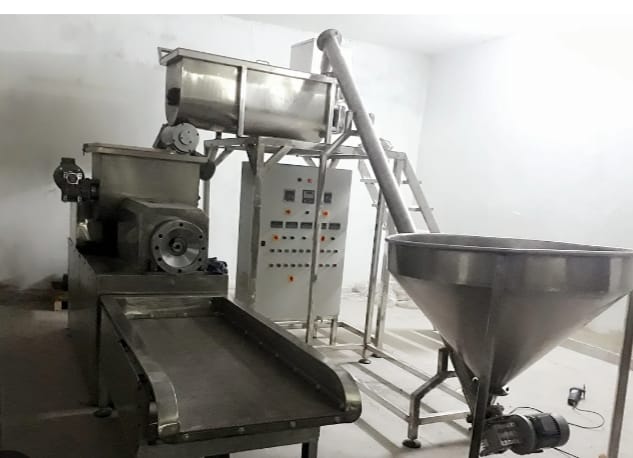


Whether you are a home cook looking to elevate Sunday dinner or a professional chef aiming for consistency, a pasta making machine is the bridge between basic ingredients and culinary art. Making pasta by hand is a romantic notion, but a machine provides the precision and speed required to turn a sticky ball of dough into translucent sheets of silk.
Here is a comprehensive guide to understanding, choosing, and mastering the pasta making machine.
1. Why Use a Pasta Machine?
The primary challenge of manual pasta making is uniformity. To achieve the perfect al dente bite, every strand of pasta must be the exact same thickness.
Consistency: Machines use calibrated rollers to ensure the dough is even from edge to edge.
Texture: The pressure from the rollers develops gluten differently than a rolling pin, often resulting in a firmer, more resilient noodle.
Versatility: Beyond spaghetti, these machines allow you to create lasagna sheets, ravioli, fettuccine, and even non-Italian items like ramen or dumplings.
2. Types of Pasta Machines
Before investing, you need to decide between the two main mechanical philosophies: Rollers and Extruders.
Manual Roller Machines (The Classic)
The iconic hand-cranked machine (like the Marcato Atlas 150) is the gold standard for home kitchens. You feed the dough through flat rollers, gradually narrowing the gap until the dough is paper-thin.
Pros: Highly durable, excellent control, relatively affordable.
Cons: Requires two hands (one to crank, one to guide the dough), can be tiring for large batches.
Electric Roller Machines
These are essentially manual rollers with an integrated motor.
Pros: Leaves both hands free to handle the delicate dough sheets.
Cons: Noisier and more expensive.
Pasta Extruders
Unlike rollers, extruders force dough through a "die" (a shaped disk). This is how shapes like penne, rigatoni, and fusilli are made.
Pros: Only way to make tubular pasta shapes.
Cons: Requires a specific, much drier dough consistency; high-end models can be pricey.
3. Anatomy of a Standard Pasta Machine
Understanding the components will help you troubleshoot during the rolling process:
The Adjustment Knob: Usually numbered 0 through 9. This controls the distance between the rollers. You always start at the widest setting (0) and work your way down.
The Rollers: Smooth steel cylinders that flatten the dough.
The Cutting Attachment: Most machines come with a dual-cutter for Tagliatelle (wide) and Fettuccine or Spaghetti (narrow).
The Clamp: Essential for manual machines to prevent them from sliding off your countertop while cranking.
4. The Science of the Dough
A pasta machine is only as good as the dough you put into it. The "Golden Rule" for Italian egg pasta is 100 grams of flour to 1 large egg.
| Ingredient | Purpose |
| 00 Flour | Finely milled for a silky, soft texture. |
| Semolina | Coarser durum wheat for "toothsome" bite and structure. |
| Eggs | Provide fat, color, and protein for binding. |
| Water | Used primarily in vegan or extruded pasta recipes. |
The "Leathery" Rule
Your dough should feel like an earlobe—supple but not sticky. If it sticks to the rollers, it needs more flour. If it cracks or shreds, it needs a drop of water.
5. Step-by-Step: Using Your Machine
Step 1: The Lamination (The Secret Step)
After kneading your dough and letting it rest for 30 minutes, flatten a piece with your hand. Set the machine to its widest setting. Run the dough through. Fold it in thirds (like a letter), rotate it 90 degrees, and run it through again. Repeat this 5–8 times. This "laminates" the dough, making it incredibly smooth and strong.
Step 2: The Thinning
Move the dial one notch at a time. Run the dough through once or twice at each setting.
For Ravioli: Go to the thinnest setting (8 or 9).
For Fettuccine: Stop at setting 6 or 7.
Step 3: The Cutting
Switch the handle to the cutting attachment. Lightly dust your sheet with flour or semolina before feeding it through to ensure the strands separate easily.
6. Maintenance and Care: The Golden Rule
Never use water to clean a pasta machine. Water causes the internal steel gears to rust and turns leftover flour into a "glue" that jams the rollers. Instead:
Let the machine sit for an hour so any stuck dough dries out.
Use a stiff brush or a toothpick to flick away dried bits.
Wipe the exterior with a dry cloth.
If it squeaks, a drop of food-grade mineral oil on the ends of the rollers is all you need.
7. Troubleshooting Common Issues
Dough is Tearing: This usually means the dough is too dry or you skipped a setting on the knob. Don't jump from setting 2 to 5!
Dough is Wavy/Ruffled: This happens when the dough is too soft or moist. Add a dusting of flour.
Noodles Stick Together After Cutting: You likely didn't let the sheet "dry" slightly before cutting. After rolling the sheet, let it sit on a floured surface for 2 minutes before running it through the cutters.
8. Summary Comparison
| Feature | Manual Roller | Electric Extruder |
| Skill Level | Beginner to Intermediate | Intermediate to Advanced |
| Best For | Lasagna, Tagliatelle, Ravioli | Penne, Macaroni, Bucatini |
| Cleaning | Easy (Brush only) | Complex (Disassembling parts) |
| Price Range | $40 - $100 | $150 - $500 |
9. Conclusion
A pasta making machine isn't just a gadget; it’s an investment in a different way of eating. Once you taste fresh pasta—porous enough to soak up sauce and light enough to melt in your mouth—the boxed versions from the grocery store will never quite suffice.
Whether you choose a hand-cranked heirloom or a high-tech extruder, the key is patience and practice. Start with a simple egg dough, master the "lamination" fold, and soon you'll be creating restaurant-quality meals in your own kitchen.