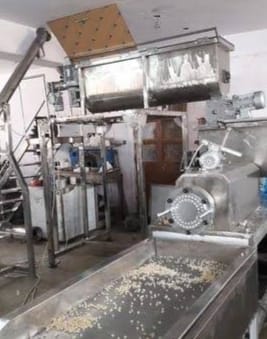


Whether you are a seasoned chef or a home cook looking to elevate your Sunday dinners, a pasta making machine is a transformative kitchen tool. It turns the simple combination of flour and eggs into a culinary art form, offering a texture and flavor that store-bought dried pasta simply cannot replicate.
This guide explores everything you need to know about pasta machines, from the different types available to the technical mechanics of how they work.
1. Why Invest in a Pasta Machine?
While you can roll out pasta dough with a simple rolling pin (the mattarello method), a machine provides two things that are difficult to achieve by hand: uniformity and transparency.
Consistency: To ensure even cooking, pasta must be the exact same thickness. A machine uses precision rollers to ensure the dough is uniform from edge to edge.
Texture: The process of passing dough through rollers—known as laminating—strengthens the gluten network, resulting in that sought-after "al dente" snap.
Versatility: Most machines allow you to transition from thick lasagna sheets to paper-thin angel hair in seconds.
2. Types of Pasta Machines
Broadly speaking, pasta machines fall into two categories: Rollers (Manual/Electric) and Extruders.
A. Manual Roller Machines (The Classic)
The iconic hand-cranked machine (like the Marcato Atlas 150) is the gold standard for home kitchens. You bolt it to your counter, feed the dough through the rollers with one hand, and turn the crank with the other.
Best for: Fettuccine, tagliatelle, pappardelle, and ravioli sheets.
Pros: Highly durable, affordable, and gives you total control over the speed.
B. Electric Roller Machines
These are essentially manual machines with an integrated motor. They free up both of your hands to guide the dough, which is particularly helpful when working with very long sheets of pasta.
Best for: High-volume cooking or those with limited hand mobility.
C. Pasta Extruders
Unlike rollers that flatten dough, extruders push dough through a perforated "die" (a shaped disk).1 This is how tubular shapes like penne, rigatoni, and fusilli are made.
Best for: Shaped pasta and "set it and forget it" convenience.
Pros: Often fully automatic (mixing and extruding in one housing).2
3. How a Pasta Machine Works
The mechanics of a pasta roller are straightforward but precise. The machine features two polished steel rollers that sit parallel to each other.
The Adjustment Knob: This controls the gap between the rollers. Usually numbered 0 through 9, "0" is the widest setting (for initial kneading) and "9" is the thinnest (for delicate skins).
Laminating: By folding the dough and passing it through the widest setting multiple times, you are "laminating" it. This aligns the protein strands.
The Cutters: Most machines come with a detachable dual-cutter head. Once the sheet is thin enough, you move the handle to the cutter section to slice the sheet into ribbons.
4. Choosing the Right Flour
The performance of your machine depends heavily on the dough consistency.
| Flour Type | Best Used For | Texture Profile |
| 00 Flour | Egg pasta (Tagliatelle, Ravioli) | Silky, soft, and refined. |
| Semolina | Water-based pasta (Orecchiette, Rigatoni) | Coarse, hearty, and holds shape well. |
| All-Purpose | General use | Good middle ground, though less "elastic" than 00. |
5. Step-by-Step: Using Your Machine
Phase 1: The Dough Prep
Mix 2 cups of flour with 3 large eggs. Knead until smooth. Crucial Step: Let the dough rest for at least 30 minutes. This relaxes the gluten so the dough doesn't "snap back" when you put it through the rollers.
Phase 2: Rolling (Laminating)
Flatten a piece of dough into a disc and dust it lightly with flour.
Set the machine to the widest setting (0 or 1).
Pass the dough through. Fold it in thirds (like a letter), rotate it 90 degrees, and pass it through again. Repeat this 5-8 times.
Once the dough is smooth and rectangular, stop folding.
Phase 3: Thinning
Click the knob to the next setting. Pass the dough through once.
Continue decreasing the thickness one notch at a time. Do not skip settings, as this can stress the gears and tear the dough.
For most long pastas, stop at setting 6 or 7. For ravioli, go to 8 or 9.
Phase 4: Cutting
Dust the thin sheet with a little extra flour or cornmeal to prevent sticking.
Feed it through the cutting rollers (Fettuccine or Tagliolini).3
Catch the strands as they emerge and form them into "nests" on a floured tray.
6. Maintenance and Cleaning: The Golden Rule
Never use water to clean a manual pasta machine.
Water causes the internal steel components to rust and makes the remaining flour particles turn into a sticky "glue" that jams the gears.
The Dry Method: Let the machine sit for an hour after use so any stuck dough dries out.
The Brush: Use a stiff pastry brush or a toothpick to flick away dried bits of flour and dough.
The Wipe: Use a dry cloth to polish the exterior.
7. Common Troubleshooting
Dough is Tearing: This usually means the dough is too dry or you skipped a thickness setting. Add a teaspoon of water to the dough or go back to a wider setting.
Dough is Sticking/Bunching: The dough is too wet. Dust the sheet liberally with flour before the next pass.
The Cutters Aren't Cutting: This happens if the dough is too soft. Let the sheets "leathery" (air dry) for 5 minutes on the counter before running them through the cutters.
8. Summary of Features to Look For
When shopping, keep these specifications in mind:
Material: Look for chrome-plated steel or stainless steel. Avoid plastic components in the rollers.
Adjustability: Ensure it has at least 6–9 thickness settings.
Expandability: Check if the brand (like Marcato or KitchenAid) offers attachments for specialized shapes like spaghetti or ravioli.4
Making pasta by hand is a rhythmic, rewarding experience that connects you to centuries of Italian tradition. While it takes a bit of practice to master the "feel" of the dough, the result is a superior meal that transforms a simple dinner into an event.