

Making your own pasta at home is a culinary rite of passage. While hand-rolling dough is a romantic notion, a Pasta Making Machine transforms a laborious chore into an efficient, creative, and repeatable process. Whether you are a weekend hobbyist or a dedicated home chef, understanding the mechanics, types, and techniques of these machines is key to mastering Italian cuisine.
1. The Anatomy of a Pasta Machine
Most manual pasta machines (like the iconic Marcato Atlas 150) consist of a heavy-duty chrome-steel body with three primary components:
The Smooth Rollers: These are the heart of the machine. They feature an adjustable dial (usually numbered 0 through 9) that controls the gap between the rollers, allowing you to gradually thin the dough into precise sheets.1
The Cutting Attachment: Most machines come with a dual-sided cutter that snaps onto the back. One side typically produces Fettuccine (wide ribbons), while the other produces Tagliolini or Spaghetti (thin strands).
The Crank and Clamp: A manual machine relies on a hand crank to turn the gears and a table clamp to ensure the machine doesn't slide across your counter while you’re applying pressure.
2. Types of Pasta Machines
Choosing the right machine depends on your budget, available space, and how much "elbow grease" you want to put into the process.
Manual Crank Machines
These are the gold standard for tradition. They are affordable, durable, and give you total control over the speed of the dough.
Pros: Longevity (can last decades), no electronics to fail, excellent tactile feedback.
Cons: Requires two people (one to crank, one to guide the dough) or a very coordinated individual.
Electric Roller Machines
These are essentially manual machines with a built-in motor.
Pros: Frees up both hands to handle the dough.
Cons: Noisier, more expensive, and harder to repair.
Stand Mixer Attachments
If you own a KitchenAid or similar mixer, you can buy a 3-piece roller and cutter set.2
Pros: Uses the mixer's powerful motor; takes up very little storage space.
Cons: Can be pricey compared to a standalone manual machine.
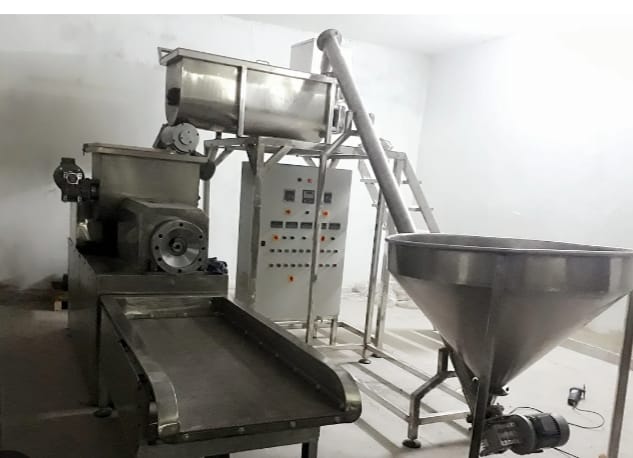
Automatic Extruders
Unlike rollers that create flat sheets, extruders force dough through a die (a shaped disc) to create shapes like Penne, Rigatoni, or Fusilli.3
Pros: Can make shapes that are impossible to do by hand.
Cons: Often harder to clean; the dough consistency must be very specific (crumbly, not elastic).
3. The Process: From Flour to Fork
Using a pasta machine is a rhythmic process. Here is the technical breakdown of how to use a roller-style machine effectively.
Step 1: The Dough Preparation
Before the machine even touches the dough, you must develop the gluten. A standard ratio is 100g of "00" flour to 1 large egg.4 After kneading for 10 minutes, the dough must rest for at least 30 minutes.5 This relaxes the gluten, preventing the dough from "snapping back" when rolled.
Step 2: Flattening and Lamination
Set your machine to the widest setting (usually 0 or 1). Flatten a piece of dough into a disc and run it through.
The Pro Tip: Fold the dough into thirds (like a letter) and run it through again.6 Repeat this 5–6 times on the widest setting. This "lamination" aligns the gluten strands, resulting in a silkier, "al dente" texture.
Step 3: Progressive Thinning
Slowly turn the dial to the next number, running the dough through once or twice at each stage.
For Ravioli: Stop at a thinner setting (7 or 8) so the double layer of pasta isn't too thick.
For Fettuccine: Stop at a medium setting (5 or 6) to maintain some "bite."
4. Maintenance and Care
The number one rule of pasta machines: Never use water.
Water causes the internal steel gears to rust and turns the leftover flour bits into a sticky "glue" that will jam the mechanism.
Cleaning: Let the machine sit for an hour after use so the stray dough dries out. Use a stiff pastry brush or a toothpick to flick away dried flour.
Polishing: Wipe the exterior with a dry microfibre cloth.
Storage: Keep it in its original box to prevent dust from settling in the rollers.
5. Troubleshooting Common Issues
| Issue | Cause | Solution |
| Dough is Tearing | Too dry or not rested enough. | Wrap in plastic and let it sit for 15 mins. |
| Dough is Sticking | Too much moisture/eggs. | Dust the dough generously with flour before rolling. |
| Jagged Edges | The dough sheet is too wide. | Trim the edges of your dough into a straight rectangle. |
| Cutter isn't separating strands | Dough is too soft. | Let the rolled sheet "air dry" for 5 minutes before cutting. |
6. Why Invest in a Machine?
While you can roll dough with a wine bottle, a machine offers consistency. Uniform thickness ensures that every strand of spaghetti cooks at the exact same rate. If one part of your pasta is 1mm thick and another is 3mm, half your dinner will be mushy while the other half is raw.
Furthermore, a machine opens the door to sfoglia (the art of the pasta sheet), allowing you to create translucent layers for lasagna or delicate, filled tortellini that feel light rather than doughy.
Summary Table: Manual vs. Automatic
| Feature | Manual Roller | Automatic Extruder |
| Best For | Tagliatelle, Ravioli, Lasagna | Penne, Macaroni, Bucatini |
| Effort | High (Physical cranking) | Low (Fully automated) |
| Cleanup | Easy (Brush away flour) | Difficult (Multiple parts to wash) |
| Texture | Silky and Elastic | Dense and Hearty |
Making pasta is as much about the process as it is about the meal. Once you hear the mechanical "click" of the rollers and see a perfect, golden sheet of dough emerge, you’ll find it hard to go back to the boxed variety.