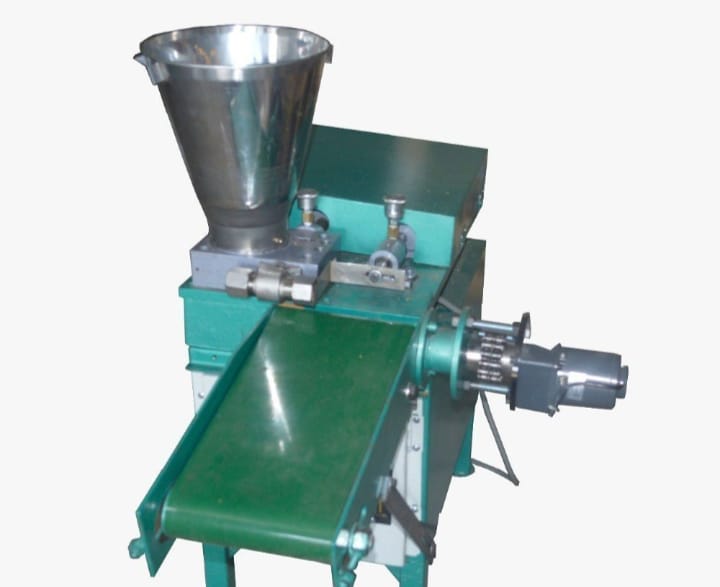


Making Dry Corn Agarbatti (Incense Sticks) is an innovative and eco-friendly way to repurpose agricultural waste. Traditional incense sticks often use charcoal or wood powder, but using dried corn cobs or husks as a base provides a clean-burning, sustainable alternative.
Here is a comprehensive guide to the materials, process, and benefits of making dry corn-based agarbatti.
1. The Raw Materials
To create a high-quality corn incense stick, you need a balance of combustible material, binding agents, and aromatic compounds.
Corn Base: Dried corn cobs (ground into a fine powder) or dried corn husks.
Binding Agent: Jigat powder (Bark of Litsea Glutinosa) or Guar Gum. This acts as the "glue."
Combustion Agent: Since corn powder burns well, you may not need much charcoal, but a small amount of coconut shell powder can help with consistency.
Aromatics: Essential oils (Sandalwood, Rose, Lavender) or natural resins (Guggul, Loban).
Bamboo Sticks: The core support for the incense.
Water: To create the dough.
2. The Production Process
Step 1: Preparation of the Corn Powder
The most important step is ensuring the corn cobs are bone-dry. Once dried, they are crushed and ground into a very fine powder. The finer the powder, the smoother the finish of the agarbatti. Sieve the powder to remove any large fibrous chunks.
Step 2: Mixing the Ingredients
In a large mixing bowl, combine the corn powder with the binding agent. A common ratio is 4:1 (four parts corn powder to one part Jigat powder). If you want a slower burn, you can add a small portion of wood dust or herb powders.
Step 3: Creating the Dough
Slowly add water to the dry mix. Knead it thoroughly until it reaches a dough-like consistency—similar to clay. It should be pliable enough to stick to the bamboo wood but not so sticky that it clings to your hands.
Step 4: Rolling the Sticks
Manual Method: Take a small piece of dough, place a bamboo stick in the center, and roll it on a smooth surface until the dough evenly coats the stick.
Machine Method: If producing at scale, the dough is fed into an agarbatti making machine which extrudes the paste onto the sticks automatically.
Step 5: Drying
The "Dry" in Dry Corn Agarbatti refers to the final curing process. Place the sticks on drying racks in a well-ventilated area. Avoid direct sunlight initially, as rapid drying can cause the paste to crack. Let them air-dry for 24–48 hours.
Step 6: Scenting (The Dipping Process)
Once the sticks are completely dry, they are "blank" (unscented). Dip the sticks into a mixture of diethyl phthalate (DEP) or white oil mixed with your chosen essential oils. After dipping, let them drain and dry again for a few hours.
3. Why Use Corn Waste?
Eco-Friendly & Sustainable
Using corn cobs reduces agricultural waste that is often burned in fields, contributing to air pollution. By converting it into incense, you give the waste a second life.
Clean Burning
Corn-based agarbatti typically produces less "heavy" smoke compared to pure charcoal sticks. It has a mild, natural sweetness in its base aroma that complements floral essential oils perfectly.
Cost-Effective
For small businesses or hobbyists, corn cobs are often available at a very low cost or even for free from farms, making the raw material expenses significantly lower than traditional sandalwood or bamboo-dust bases.
4. Conclusion
Dry corn agarbatti making is a perfect blend of traditional craftsmanship and modern sustainability. Whether you are looking to start a small home business or simply want a natural way to scent your home, this method offers an effective, low-toxin solution